
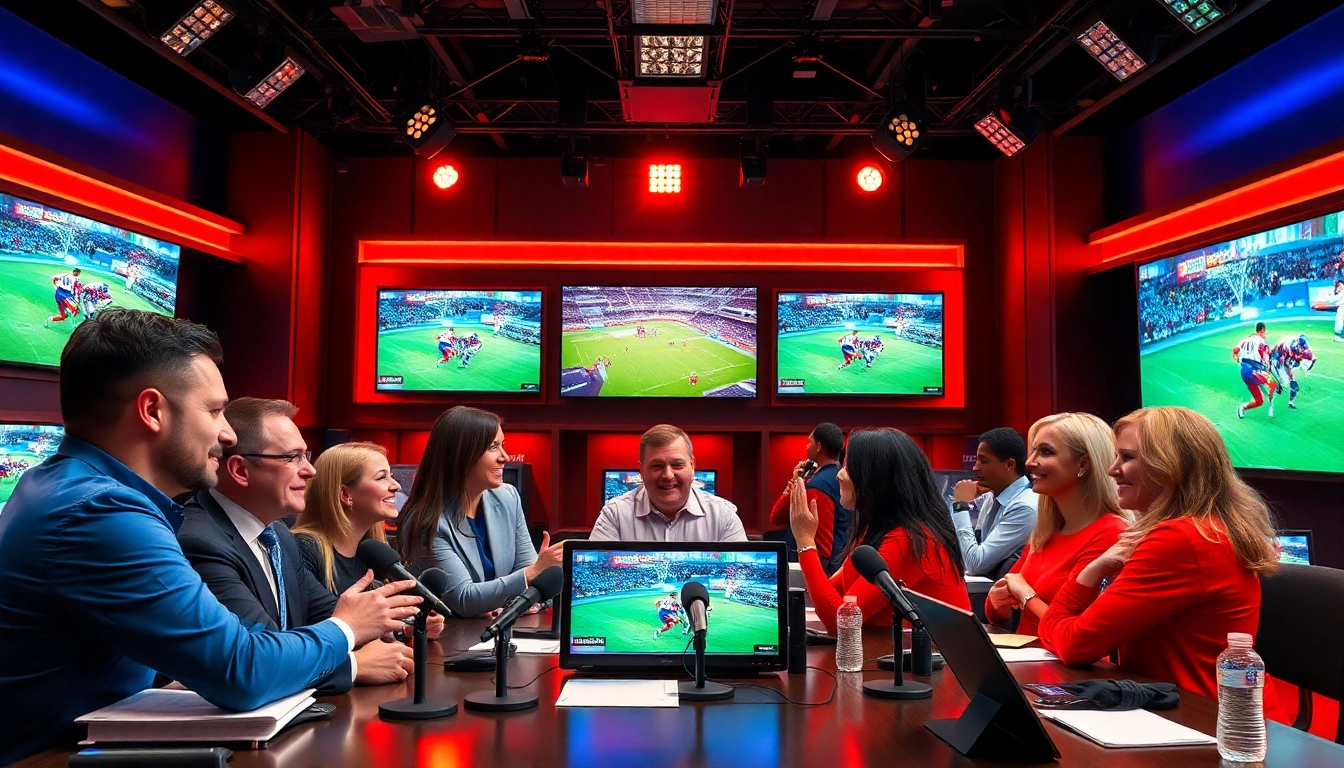
Understanding Sports Broadcasting Dynamics
Sports broadcasting has evolved from a niche market to a dominant force in the entertainment industry, engaging millions around the globe. This transformation is a result of numerous factors, including technological advancements, shifting viewer habits, and the growing demand for immediate access to live sports. To grasp the intricacies of Sports Broadcasting, one must delve into its past, the role technology plays, and recognize the various stakeholders involved.
The Evolution of Sports Broadcasting
The journey of sports broadcasting began in the early 20th century when radio broadcasts of significant events like the World Series first captured the public’s attention. As technology advanced, so did the methods of broadcasting. The introduction of television in the mid-century brought sports to households, revolutionizing how fans consumed their favorite games. Icons like Howard Cosell brought a new style of commentary, engaging audiences with personal narratives alongside statistical analysis.
The 21st century has seen a dramatic shift towards online streaming platforms, allowing audiences more accessibility than ever before. With the rise of services like YouTube, Twitch, and various sports networks’ apps, viewers can watch live events on multiple devices, tailoring their experiences to fit personal schedules. Furthermore, the integration of social media has transformed fan engagement and interaction, allowing for real-time discussions and immediate feedback.
The Role of Technology in Sports Broadcasting
Technology plays a crucial role in sports broadcasting. Innovations like instant replay, high-definition cameras, drones, and augmented reality have changed how viewers experience events. Instant replay has allowed fans to see critical moments from multiple angles, creating suspense and excitement. High-definition broadcasts deliver crystal-clear visuals that enhance viewer satisfaction, making them feel like they are part of the action.
Moreover, advancements in data analytics have made it possible for broadcasters to provide in-depth analyses, giving fans a richer understanding of game dynamics. For instance, graphic overlays can display player statistics in real-time during broadcasts, allowing viewers to appreciate each athlete’s performance better. Virtual reality is also on the horizon, promising immersive experiences that will take sports watching to a new level.
Key Stakeholders in Sports Broadcasting
Sports broadcasting involves a complex network of stakeholders. Broadcasters, sports leagues, teams, advertisers, and the audience all play pivotal roles. Broadcasters acquire rights to streaming or airing events and are responsible for the presentation. Sports leagues negotiate these rights and create content that engages fans. Teams, as part of leagues, interact directly with broadcasters to enhance their brand visibility.
Advertisers find opportunities in broadcasting to reach targeted demographics, utilizing strategies ranging from traditional commercials to social media interactions. The audience is, of course, the end consumer whose preferences and viewing habits drive the industry. Understanding these relationships is vital for anyone involved in or studying sports broadcasting.
Core Components of Effective Broadcasting
Crisp Visual Elements in Sports Broadcasting
Visual elements are paramount in sports broadcasting. Crisp imagery, dynamic camera angles, and high-quality video resolution significantly enhance the viewer experience. For example, utilizing multiple camera feeds can capture different perspectives of a game, allowing fans at home to feel more connected to live events. Broadcasts often employ technology such as 4K resolution and HDR to offer the best possible viewing experience.
Moreover, the use of slow-motion replays adds dramatic tension and emphasizes key moments, amplifying emotional engagement. Proper lighting and the arrangement of visual elements can also help highlight critical plays and athlete actions, creating a more immersive atmosphere for viewers.
Engaging Commentary Techniques
Commentary in sports broadcasting should do more than just describe the action; it must enrich the viewing experience. Effective commentators use engaging language, a clear narrative style, and a passionate attitude to captivate audiences. They vary their tone and pace to build excitement during crucial moments while providing insightful analysis that can educate viewers.
Additionally, familiarity with the sport and its cultural context allows commentators to guide narratives, helping fans understand not only the “what” but also the “why” behind plays and strategies. The best commentators skillfully balance their role by being both entertainers and educators, maintaining audience engagement and interest.
Utilizing Graphics and Stats for Impact
The integration of graphics and statistics enhances storytelling in sports broadcasts. Infographics, player statistics, and heat maps provide insights, helping viewers understand gameplay strategies or individual performances better. Properly timed graphics during critical moments can reinforce narratives and highlight athlete contributions.
For example, graphical representations of shot percentages or player efficiency can contextualize events, adding depth to commentary. The key is to ensure that these graphics are intuitively designed, easy to read, and synchronized with the live feed to maintain audience focus.
Challenges in Sports Broadcasting
Adapting to Live Event Changes
Live sports are inherently unpredictable, presenting unique challenges for broadcasters. Sudden weather changes or unforeseen events can disrupt planned content, requiring real-time adjustments and flexibility. Broadcasters must have systems in place to quickly adapt their coverage while keeping viewers informed and entertained.
Preparing for potential scenarios through simulations and developing a suite of backup content can help broadcasters manage such challenges. Fostering a culture of agility within broadcast teams is equally crucial, allowing for seamless shifts in plans without compromising quality.
Managing Viewer Expectations
Viewer expectations have evolved with technology and instant access to information. Audiences now anticipate a level of interactivity and personalization that wasn’t feasible in the past. Broadcasters must strive to meet these expectations by engaging viewers through social media, providing tailored content, and incorporating interactive elements like live polls or Q&A sessions.
Additionally, broadcasters need to balance traditional segments with these enhancements, ensuring that they don’t overwhelm viewers with excessive content. Developing a clear understanding of the target audience’s preferences is vital in balancing engagement with traditional broadcasting elements.
Overcoming Technical Glitches
Technical issues can ruin a live broadcast, leading to viewer frustration and dissatisfaction. Problems like server failures, audio disruptions, or camera malfunctions can all detract from the viewing experience. To mitigate these risks, broadcasters should invest in high-quality equipment and maintain robust backup systems for smooth transitions in the event of a failure.
Routine checks and drills can prepare technical teams to respond efficiently to glitches, minimizing downtime. Furthermore, effective communication between production crews can ensure that everyone is aware of protocols and can respond swiftly to technical challenges.
Best Practices for Sports Broadcasting Success
Creating Compelling Storylines
Compelling storylines are essential for drawing viewers into the broadcast. Narratives should evolve throughout the event, considering players’ backgrounds, rivalries, and significant achievements. Crafting these stories allows broadcasters to engage audiences emotionally, making them more invested in the outcomes of games.
Identifying potential themes and communicating these narratives throughout the broadcast can foster viewer loyalty. Broadcasters should also remain adaptive, allowing real-time developments to shape stories, thus creating a dynamic viewing experience. Consistently delivering compelling narratives will keep audiences tuning in for every game.
Building Audience Engagement Tools
Engagement tools are pivotal for fostering a connection between broadcasters and audiences. Incorporating interactive elements into broadcasts—like live tweeting, polls, or viewer chats—can create a community atmosphere. Involving viewers in discussions and allowing them a voice can enhance their affinity for the game.
Additionally, deploying mobile apps for personalized updates and insights can bolster viewer engagement. These platforms can curate exclusive content and facilitate discussions, making audiences feel more connected to the game and broadcast. Building these tools requires continual feedback from viewers to ensure they resonate and meet evolving needs.
Performance Metrics for Sports Broadcasting
Measuring performance is crucial for understanding the effectiveness of a sports broadcast. Key performance indicators (KPIs) can include viewer ratings, audience engagement levels, and social media interactions, providing insights into what is working and what needs adjustment. Analytics tools can track these metrics in real-time, allowing broadcasters to respond promptly to performance trends.
Establishing a feedback loop where data informs broadcast decisions will enhance the quality of future productions. Additionally, learning from past broadcasts—identifying both successes and failures—will guide strategic refinements, ensuring continuous improvement and audience satisfaction.
FAQs About Sports Broadcasting
What is Sports Broadcasting?
Sports Broadcasting refers to the distribution of live or recorded sports events through various media channels, primarily television and online streaming.
How do I get started in Sports Broadcasting?
To start in Sports Broadcasting, pursue a degree in journalism or communications, gain experience through internships, and build a networking base within the industry.
What skills are needed for Sports Broadcasting?
Key skills include strong communication, analytical abilities, technical proficiency in broadcasting equipment, and a deep understanding of the sport being covered.
What technology is used in Sports Broadcasting?
Common technologies include high-definition cameras, graphics software, streaming platforms, and data analytics tools that enhance viewer experience and engagement.
How to measure success in Sports Broadcasting?
Success can be measured through ratings, audience engagement metrics, social media interactions, and viewer feedback that inform and shape future broadcasts.