
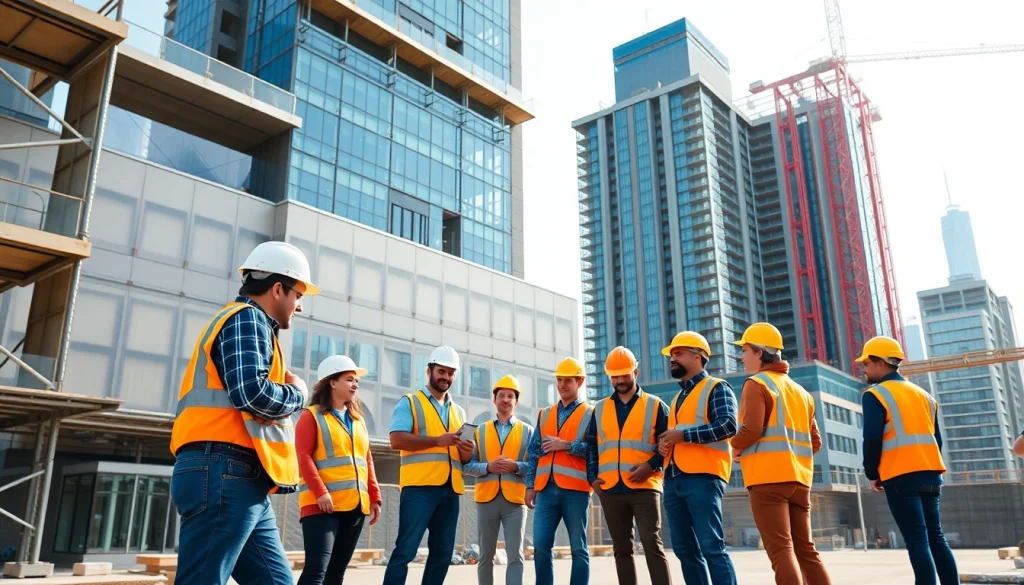
The Role of a Manhattan Commercial General Contractor
Understanding Responsibilities and Services
A Manhattan Commercial General Contractor plays a crucial role in the construction and renovation landscape of one of the busiest cities in the world. Their primary responsibility is to manage the entire construction process. This encompasses planning, coordinating, overseeing construction tasks, and ensuring that projects are completed on time and within budget. The contractor serves as a liaison between the client, architects, engineers, and subcontractors and handles myriad aspects from obtaining permits to ensuring compliance with safety regulations and local building codes.
Services typically offered by a commercial general contractor in Manhattan include project estimation, resource allocation, scheduling, and quality control. They may also provide design-build services, which streamline the process by integrating design and construction into one cohesive entity, enhancing communication and efficiency. For a reliable partner in your next endeavor, look for a Manhattan Commercial General Contractor that understands the unique challenges of urban construction.
Types of Projects Handled
The range of projects managed by Manhattan Commercial General Contractors is diverse, reflecting the city’s dynamic development. They typically handle:
- Office Buildings: Including both new construction and renovations to existing spaces, catering to various business needs.
- Retail Spaces: Creating appealing environments for shops, restaurants, and service businesses.
- Hospitality Projects: Such as hotels and resorts that require compliance with rigorous standards.
- Industrial Facilities: From warehousing to manufacturing facilities.
- Healthcare Facilities: Managing specialized requirements for hospitals and clinics.
Key Qualities to Look For
When selecting a Manhattan Commercial General Contractor, certain qualities stand out as indicators of their potential success:
- Experience: A proven track record with similar projects demonstrates capability and reliability.
- Communication Skills: Clear communication is essential for effective project management and stakeholder engagement.
- Financial Acumen: Understanding budgeting and cost management ensures financial feasibility.
- Problem-Solving Skills: The ability to address unforeseen difficulties efficiently can save projects from delays.
- Local Knowledge: Familiarity with Manhattan’s regulations, building codes, and environmental considerations is critical.
Benefits of Hiring a Manhattan Commercial General Contractor
Maximizing Project Efficiency
Efficiency in construction projects can substantially influence outcomes, especially in an urban environment like Manhattan. Hiring a commercial general contractor streamlines operations by coordinating tasks, managing schedules, and optimizing resource allocation. They anticipate potential bottlenecks and implement strategies to mitigate them, ensuring that projects run smoothly from start to finish. Moreover, seasoned contractors leverage established relationships with reliable subcontractors, further enhancing productivity.
Cost Management Strategies
Financial management is a paramount concern in any construction project. A Manhattan Commercial General Contractor employs various cost management strategies to ensure budget adherence. These techniques may include thorough initial project assessments to provide accurate estimates, ongoing budget tracking, and proactive cost control measures. By identifying potential financial pitfalls early, contractors can guide clients toward value-oriented decisions without compromising on quality.
Access to Skilled Labor and Resources
Hiring a Manhattan Commercial General Contractor offers access to an extensive network of skilled labor and industry resources. This access is particularly vital in a city where labor costs can be high and finding qualified professionals can be challenging. Contractors often have established relationships with subcontractors in various specialties, ensuring that the best talent is engaged on a project. Additionally, they maintain an inventory of resources, such as equipment and materials, which can lead to better pricing and availability.
How to Select the Best Manhattan Commercial General Contractor
Evaluating Experience and Reputation
Determining the best contractor involves evaluating their experience and reputation diligently. Look for contractors who have successfully completed projects similar to yours, focusing on the scale and complexity of work. Additionally, reading client testimonials and checking references can provide valuable insight into their reliability and work ethic. Online reviews on platforms such as Google and Yelp can also shed light on a contractor’s standing in the industry.
Interview Recommendations and Questions
Once a list of potential contractors has been compiled, conducting interviews is a critical next step. Ask about their previous projects, management style, and how they handle challenges. Consider questions like:
- What is your approach to project management?
- Can you provide references for similar projects?
- How do you ensure safety on job sites?
- What is your communication strategy with clients?
- How do you handle changes in project scope or budget?
Reviewing Portfolios and Case Studies
A thorough review of a contractor’s portfolio and case studies can give you a clearer picture of their capability. Look for detailed accounts of past projects, including visuals and descriptions of challenges faced and how they were overcome. Case studies showcasing innovative strategies or unique solutions to complex issues can provide additional confidence in the contractor’s problem-solving skills.
Common Challenges with Commercial Contractors
Dealing with Delays and Budget Issues
Delays and budget overruns are common challenges in commercial construction. Factors such as weather conditions, supply chain disruptions, and resource availability can impact timelines. A good Manhattan Commercial General Contractor proactively manages these risks by maintaining robust schedules and contingency plans. Open communication with clients about potential issues allows for transparency and collaborative problem-solving.
Communication Gaps and Solutions
Effective communication is vital for the success of any project. Often, misunderstandings can lead to costly errors. Establishing regular check-in meetings, combined with a clear chain of communication, can mitigate these gaps. Utilizing project management software that tracks updates can help keep all stakeholders informed and engaged, ensuring everyone is aligned throughout the project lifecycle.
Handling Changes and Adjustments
Construction projects often require adjustments in response to new information or changing circumstances. A proficient general contractor is adept at managing these changes through a well-defined change order process. This involves documenting modifications, assessing their impact on the timeline and budget, and providing clear communication to all parties involved. Flexibility and adaptability are key in navigating these common elements of the construction process.
FAQs about Hiring a Manhattan Commercial General Contractor
What should I look for in a contractor?
Look for experience, a solid reputation, good communication skills, and financial management capabilities. A proven track record with similar projects is essential.
How do contractors manage project timelines?
Contractors use project management tools, detailed scheduling, and regular updates to keep track of timelines and ensure they adhere to the plan.
What are the costs associated with hiring a contractor?
Costs can vary based on project size and scope. Generally, contractors charge for labor, materials, and overhead, plus a fee for their services.
Can I change contractors mid-project?
Yes, but it can lead to project delays and potential cost increases. It’s best to address concerns with the current contractor first.
What are the benefits of local contractors?
Local contractors have valuable knowledge of local regulations, building codes, and established relationships with local suppliers and subcontractors.