
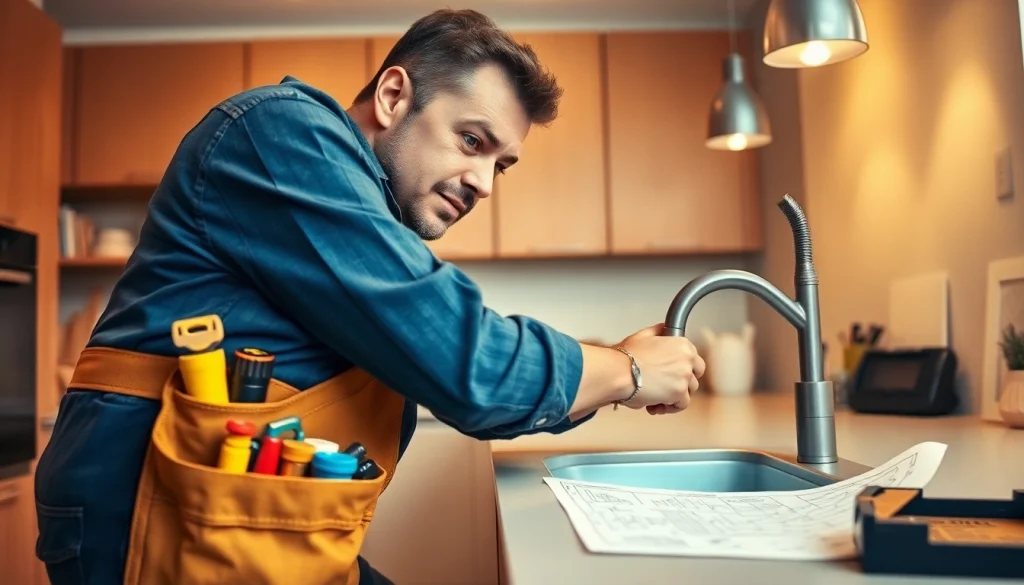
Understanding the Role of a Plumber
Plumbers play a crucial role in maintaining the integrity of our homes and businesses by ensuring that water supply and drainage systems function effectively. They are responsible for installing and troubleshooting various plumbing systems, also encompassing a range of tasks from minor repairs to major installations. When seeking a reliable plumber, understanding their roles can help one appreciate the value they bring to daily life.
What Services Do Plumbers Offer?
Plumbers offer a variety of services tailored to meet the needs of both residential and commercial clients. Some of the fundamental services include:
- Installation Services: This includes the installation of sinks, toilets, showers, and even larger systems like heating and cooling systems.
- Repair Services: Plumbers can repair leaky faucets, burst pipes, and malfunctioning water heaters, preventing minor issues from escalating into major problems.
- Maintenance Services: Regular maintenance can help avert emergencies and ensure systems operate efficiently. This may include routine checks on drainage systems and inspections for leaks.
- Emergency Services: Many plumbing companies offer 24/7 emergency services to address immediate issues, such as plumbing leaks and sewer backups.
Common Plumbing Issues Explained
Understanding common plumbing issues can aid in quicker diagnosis and resolution. Some prevalent plumbing problems include:
- Leaky Pipes: Often caused by corrosion or high water pressure, leaky pipes can result in significant water waste and damage to property.
- Clogged Drains: Clogs may result from the accumulation of hair, grease, and debris, hampering the flow of water.
- Running Toilets: This issue wastes a large amount of water, frequently caused by a faulty flapper or flush valve.
- Low Water Pressure: This can be a symptom of pipe corrosion or blockages within the plumbing system.
The Importance of Regular Maintenance
Regular plumbing maintenance is not only about detecting issues before they escalate but also about ensuring efficiency and extending the lifespan of plumbing systems. Some benefits of routine maintenance include:
- Prevention of Major Repairs: Catching small issues early can save significant costs associated with larger repairs.
- Improved Efficiency: Well-maintained plumbing systems operate more efficiently, potentially lowering water bills.
- Healthier Environment: Preventing leaks and ensuring proper drainage can mitigate mold growth and water damage, contributing to a healthier home.
How to Choose the Right Plumber
Choosing the right plumber can be daunting, but focusing on certain criteria can greatly simplify the process. A few key factors to consider include:
Evaluating Qualifications and Experience
When selecting a plumber, it’s important to verify their qualifications. Ensure they are licensed and insured, as this protects you from liability in case of accidents or mishaps. Experience matters; a well-established plumber typically possesses the know-how to handle both common and complex issues efficiently.
Check Reviews and References
Online reviews and personal references can provide insights into a plumber’s reliability and service quality. Websites like Yelp or Angie’s List can be great resources for honest customer feedback. Additionally, asking friends and family for recommendations can further narrow down options.
The Value of Warranty and Guarantees
It’s advisable to inquire if the plumber offers warranties or guarantees on their work. This not only speaks volumes about their service quality but also provides peace of mind, knowing that any issues arising from their service will be resolved at no extra cost.
Cost Factors in Hiring a Plumber
Understanding the cost factors associated with hiring a plumber can help avoid unexpected expenses. Here are some influential aspects:
Understanding Pricing Models
Plumbers typically operate on one of two pricing models: hourly rates or flat fees. Some may charge a combination of both, depending on the work’s nature. Understanding how these pricing models work can help you budget effectively for plumbing services. It’s beneficial to discuss expected costs upfront to avoid surprises later.
Common Budgeting Mistakes
Many homeowners make budgeting mistakes that lead to overspending. Common pitfalls include not allocating enough for emergency repairs or neglecting to factor in costs for parts and service fees. Always aim to set aside an emergency fund specifically for unforeseen plumbing issues.
When to Invest in Quality Services
Investing in quality plumbing services often pays off in the long run through enhanced reliability and durability of installations and repairs. While budget-friendly options may seem appealing initially, quality service often results in lower operational costs and fewer repairs down the line.
Signs You Need a Professional Plumber
Being able to recognize when it’s time to call a plumber can prevent further damage and headaches. Here are some signs to watch for:
Identifying Persistent Issues
If plumbing issues like slow drains or recurring leaks continue despite your attempts at DIY fixes, it’s advisable to call in a professional. Persistent problems can indicate more significant underlying issues that need expert evaluation.
When DIY Efforts Fail
While some plumbing issues can be addressed through DIY methods, certain tasks require professional skills and tools. If you find yourself struggling with a problem or if previous solutions have not worked, it’s time to consult a plumber.
Recognizing Emergency Situations
Immediate response is necessary for plumbing emergencies such as burst pipes, overflowing toilets, or sewage backups. Ignoring these problems can lead to severe water damage and costly repairs, so contacting a plumber immediately is crucial.
Preparing for a Plumbing Visit
Preparation can help streamline the plumbing visit and ensure that all concerns are addressed efficiently. Here are ways to prepare:
What to Discuss with Your Plumber
When your plumber arrives, discuss all concerns you have regarding your plumbing system upfront. Share any symptoms or issues you’ve observed, as these insights can assist the plumber in diagnosing problems accurately.
Gathering Necessary Information
Providing your plumber with necessary information, such as the age of the plumbing systems or any past maintenance records, can be beneficial. This context helps them understand potential issues associated with older systems and design effective solutions.
Understanding the Workflow Process
Educating yourself about the plumbing workflow process will lend clarity to the seriousness of repairs. Understanding how long different repairs typically take and the possible disruption to your daily activities can help you prepare accordingly.
FAQs About Plumbing Services
1. How often should I have my plumbing inspected?
It’s recommended to inspect your plumbing system at least once a year to catch potential issues early and maintain efficiency.
2. Can I attempt to fix plumbing problems myself?
While minor issues can be managed yourself, it’s best to consult a professional plumber for significant problems to avoid further damage.
3. What are signs of a plumbing emergency?
Signs include flooding, significant leaks, sewage backups, and the inability to turn off water supply to specific areas or fixtures.
4. Do plumbers generally charge for estimates?
Many plumbers offer free estimates; however, some may charge for onsite evaluations. It’s best to inquire before scheduling a visit.
5. What should I do before the plumber arrives?
Clear the work area, provide access to necessary fixtures, and make a note of the issues you’re experiencing to discuss with the plumber.