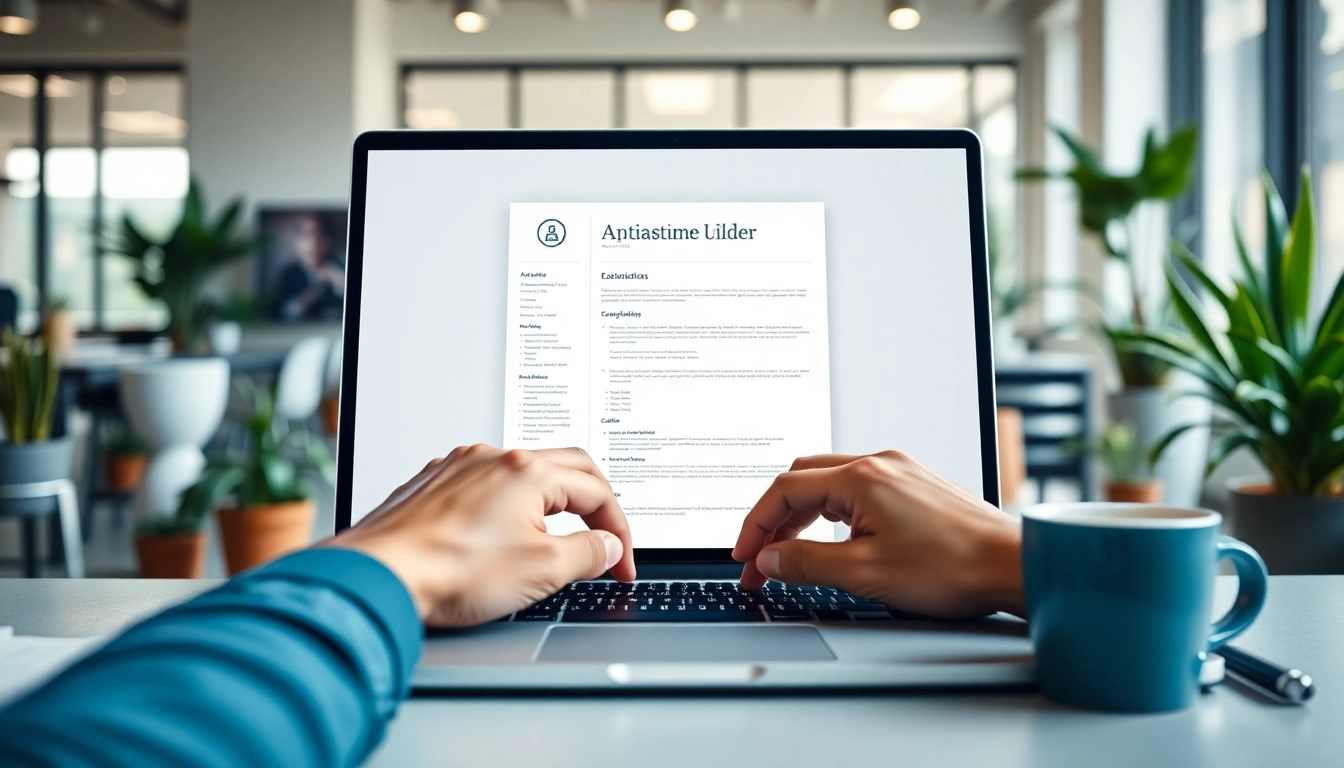
Understanding the Resume Builder Landscape
In today's competitive job market, having a standout resume is paramount for job seekers. With the proliferation of technology, the way we create resumes has significantly evolved. Enter the Resume Builder, an online tool designed to streamline the resume creation process, making it easier, faster, and far more efficient for users. Whether you're a fresh graduate or a seasoned professional, understanding how to navigate the resume builder landscape is crucial to your job search success.
What is a Resume Builder?
A resume builder is an online application that assists individuals in creating a professional resume quickly and efficiently. Unlike traditional word processors, which require users to format their documents manually, a resume builder provides templates, guidance, and features that allow users to input their information seamlessly. Typically, these builders offer customizable templates that cater to different industries and job types, helping users to craft resumes that highlight their skills and experience effectively.
Benefits of Using an Online Resume Builder
The advantages of using a resume builder are numerous:
- Simplicity and Speed: Resume builders eliminate the need for complicated formatting or design skills, allowing users to produce resumes in a matter of minutes.
- Professional Design: Many builders provide access to professionally designed templates, ensuring that your resume stands out visually.
- Customization: Users can easily tailor their resumes for specific job applications and industries.
- Guided Assistance: Most resume builders offer tips and examples for writing each section of the resume, making it easier to articulate experiences and skills.
- Accessibility: Many resume builders are online, allowing users to access their projects from any device, whether it's a phone, tablet, or computer.
Common Features to Look For
When evaluating different resume builders, consider the following features:
- Templates: A wide variety of templates tailored to different professional fields and aesthetics.
- Customization Options: The ability to edit fonts, colors, and layouts to match personal branding.
- Export Formats: Options to download resumes in multiple formats, such as PDF, DOCX, and TXT.
- Integration with Job Portals: Some builders provide functionality to apply for jobs directly through resume submissions.
- Support Resources: Access to guides, tips, and customer support for troubleshooting.
Choosing the Right Resume Builder for Your Needs
Selecting an appropriate resume builder depends on your specific needs and job search strategy. Here’s what to consider:
Comparing Popular Resume Builders
There are various industry leading resume builders available today, each offering unique features:
- ResumeBuilder.com: Known for its user-friendly interface, it offers numerous templates and allows users to edit on any device.
- MyPerfectResume: This platform emphasizes industry-specific suggestions and includes professionally written content for tailored resumes.
- Canva: Primarily a design tool, Canva’s resume builder offers sleek templates with significant customization for creative resumes.
- LiveCareer: Offers an AI resume builder that helps in crafting a high-quality resume while providing a range of template options.
- Zety: Known for its modern, eye-catching designs and easy-to-use platform, Zety also provides tips for each resume section.
Free vs. Paid Options: What's Best?
When choosing between free and paid resume builders, consider what features are essential. Free options typically offer basic functionalities, while paid versions provide additional templates, customization options, and support. Evaluate your budget and how serious you are about your job search when making this decision. Investing in a paid service might be worthwhile if it results in a higher quality resume.
User Experience: Navigating Interface and Tools
The user interface is a critical factor in selecting a resume builder. A user-friendly design allows for smoother navigation and ensures an efficient resume creation process. Compare the experience by testing a few different builders. Look for tools that simplify the process, such as drag-and-drop features, step-by-step guides, and live previews of the final product.
Key Elements of a Successful Resume
Creating a standout resume isn't just about aesthetics; it's also about ensuring all essential components are included. Here's a breakdown of what to focus on:
Essential Sections of a Resume
A well-structured resume typically includes the following sections:
- Contact Information: Your name, email address, and phone number should be at the top.
- Objective or Summary: A brief statement that outlines your career goals and what you can offer to the employer.
- Work Experience: List your relevant job history, including job titles, employment dates, and key responsibilities.
- Education: Include your degrees, institutions attended, and graduation dates.
- Skills: Key skills that are particularly relevant to the job you are applying for.
- Certifications and Awards: Any additional qualifications or recognitions that enhance your candidacy.
Personalizing Your Resume Template
Customization is key to making a significant impact on potential employers. Personalizing your resume template involves more than just selecting a different design. It entails tailoring content to align with specific job descriptions, highlighting the most relevant skills and experience. Consider using keywords from the job posting to ensure your resume aligns with the company's expectations.
Tips for Tailoring Content for Different Industries
Each industry has distinct expectations when it comes to resumes:
- Creative Industries: Emphasize design skills and use visually appealing formats.
- Technical Fields: Include specific technical skills and relevant projects.
- Corporate Roles: Focus on measurable accomplishments and professional experiences.
- Healthcare: Highlight certifications and patient care experience alongside soft skills like empathy and communication.
Beyond the Resume: Additional Tools
While a professionally crafted resume is a vital tool in your job search, it's not the only one. Consider using these additional resources:
Cover Letter Builders: Why They Matter
A compelling cover letter often gives you an advantage in the hiring process. It provides an opportunity to express your personality and explain information that may not fit in a resume. Utilizing a cover letter builder can help craft a distinctive cover letter tailored to the job and company culture, enhancing the overall appeal of your application.
Preparing for Interviews with Additional Resources
Besides creating your resume, you should also prepare for the interview process. Online resources such as interview question databases and coaching services can help you approach interviews confidently. Practicing responses to common questions and developing your personal narrative will enable you to present yourself more effectively.
Networking Tools to Enhance Your Job Search
Networking can open many doors in your career. Utilizing platforms like LinkedIn not only helps you connect with industry professionals but also allows you to share your resume and personal brand more broadly. Consider attending networking events or using online tools to identify mentors who can provide guidance as you navigate your career path.
Maximizing Your Employment Potential
Creating a resume is just the first step in your job search journey. Ensuring its effective use and application is crucial for maximizing your employment potential.
How to Use Your Resume Effectively
The effectiveness of your resume relies on how well you match it to job descriptions and how frequently you update it in response to new experiences.
Always tailor your resume for specific applications, ensuring relevant experiences and skills are highlighted. Make use of application tracking systems (ATS) by including relevant keywords found in the job description to enhance your visibility to hiring managers.
Common Mistakes to Avoid When Creating Resumes
A few common pitfalls can hinder the effectiveness of your resume:
- Overloading with Information: Stick to relevant experiences and avoid unnecessary detail.
- Ignoring Design: A cluttered or overly complicated design can detract from your content. Keep it professional and easy to read.
- Neglecting Proofreading: Grammatical errors and typos can create a negative impression. Review your resume multiple times, and consider seeking external feedback.
Tracking Your Job Applications Effectively
Keeping track of your job applications can be tedious, but it’s essential to your search’s organization. Utilize spreadsheets or job search management tools to note applications, the follow-up dates, and outcomes. This practice not only helps keep you organized but can assist in personalizing follow-up communication to potential employers, showcasing your commitment and professionalism.