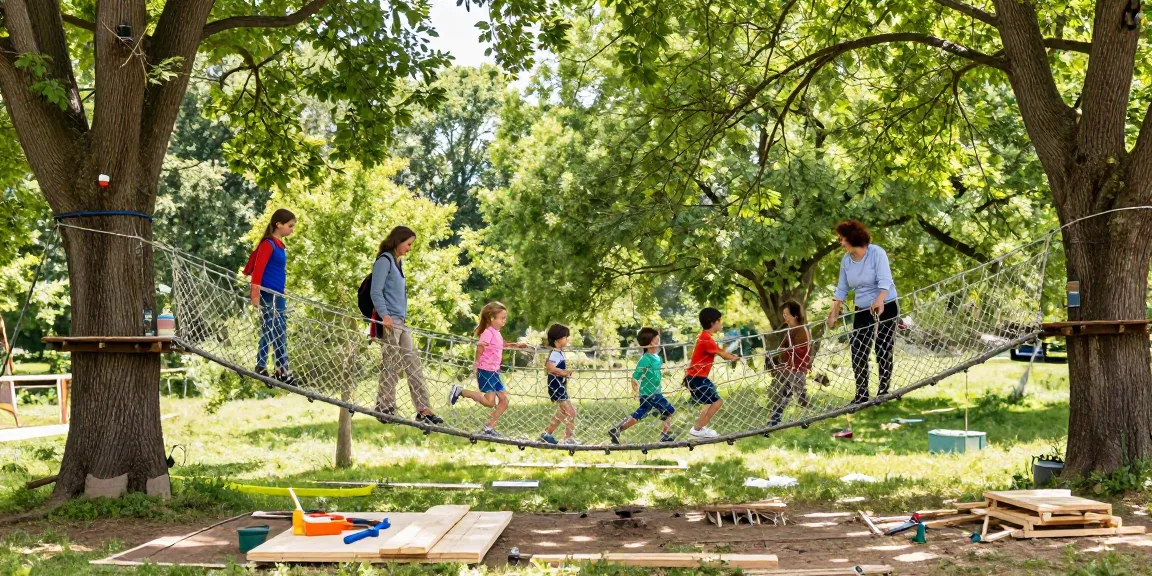
Why Choose Holiday Camps for Your Child?
Holiday camps provide a unique opportunity for children to engage in enriching activities while making new friends and experiencing personal growth. For parents looking for an exciting and educational break for their kids, Holiday camps can be the ideal choice. They offer structured environments where kids can explore various interests, from the arts to physical activities, and develop valuable skills.
Understanding the Benefits of Holiday Camps
Holiday camps come with an array of benefits, both for children and parents. They promote social interaction, enhance life skills, and provide a break from the usual routine. Here are some specific advantages:
- Social Skills Development: Children engage with peers, learning cooperation, communication, and teamwork.
- Personal Growth: Camps encourage children to step outside their comfort zones, building confidence and independence.
- Learning Opportunities: From various activities, children gain new interests and hobbies that can spark lifelong passions.
- Physical Activity: Holiday camps often include sports and outdoor activities, promoting a healthy lifestyle.
Key Factors in Selecting a Holiday Camp
Choosing the right holiday camp can be an overwhelming task for parents. Factors to consider include:
- Age Appropriateness: Ensure the camp offers activities suited to your child’s age and interests.
- Safety Standards: Research the camp’s safety measures, staff qualifications, and emergency protocols.
- Reputation: Look for reviews and testimonials from other parents and campers about their experiences.
- Location: Consider the convenience of the camp's location and transportation options.
- Specialized Programs: Many camps offer unique experiences such as coding, arts, sports, or adventure programs.
Holiday Camps and Child Development
Participating in holiday camps significantly impacts child development in positive ways:
- Cognitive Skills: Cultural activities and creative projects introduce children to new concepts and critical thinking.
- Emotional Intelligence: Interaction with peers helps kids manage their feelings and understand the emotions of others.
- Resilience and Adaptability: Navigating group activities and challenges helps kids learn to adapt and persevere.
Activities Offered at Holiday Camps
Activities at holiday camps are diverse, catering to a range of interests and skills. Let’s explore some common offerings:
Creative Arts and Crafts
Art is a fundamental component of many holiday camps, fostering creativity. Activities include painting, pottery, and crafts that allow children to express themselves artistically. Implementing arts and crafts boosts fine motor skills and promotes problem-solving and innovation.
Physical Activities and Sports
Most holiday camps prioritize physical activities, offering sports like soccer, basketball, swimming, and athletics. These activities not only promote fitness but also team-building skills as kids learn to work together towards common goals.
Outdoor Adventures and Nature Exploration
Nature-based activities such as hiking, camping, and environmental education encourage children to appreciate the outdoors. They provide hands-on experiences that foster a connection with nature and emphasize teamwork and survival skills while promoting environmental stewardship.
How to Prepare for Your Child’s Holiday Camp Experience
Preparation is key to ensuring a successful holiday camp experience for your child. Here are some practical steps:
Essential Items to Pack
Make a checklist of essential items based on the camp’s requirements. Common items include:
- Clothing: Weather-appropriate attire including layers, swimwear, and comfortable shoes.
- Personal Items: Sunscreen, hats, and any medication needed.
- Camping Gear: If the camp includes outdoor stays, be sure to pack sleeping bags and other necessary gear.
Communicating with Camp Leaders
Reach out to camp leaders to discuss any specific requirements or concerns, including your child’s needs or allergies. Effective communication can help ensure your child has a comfortable and enjoyable experience.
Setting Expectations with Your Child
Talking with your child about what to expect at camp can help ease anxiety. Discuss the types of activities planned, and encourage them to be open-minded and make new friends. This conversation can make them feel more prepared and excited.
Safety and Supervision at Holiday Camps
Safety should always be a parent’s primary concern. Here’s what to consider when assessing a camp’s safety protocols:
Understanding Staff Qualifications
Inquire about staff training and qualifications, ensuring that instructors not only have experience but also certifications in first aid, CPR, and child development. Well-trained staff are crucial for maintaining a safe environment.
Emergency Preparedness Procedures
Camps should have clear emergency procedures in place. Ask about protocols for various emergencies, including weather-related issues, medical emergencies, and evacuation plans. Understanding these protocols provides peace of mind for parents.
Maintaining a Safe Camp Environment
Ensure the camp implements adequate safety measures, such as supervision ratios (typically one adult for every 10-12 children), secure facilities, and regular safety drills. A well-maintained environment directly impacts the overall experience and safety of your child.
Answering Common Questions About Holiday Camps
What Ages Are Holiday Camps Designed For?
Holiday camps typically cater to a wide age range, from preschoolers to teenagers, with specific programs tailored for each age group. Check with the camp for age-specific offerings.
How Much Do Holiday Camps Typically Cost?
Costs for holiday camps can vary significantly depending on the location, duration, and activities offered. On average, camps may range from $200 to $800 per week, with options for partial scholarships or payment plans provided by some camps.
What If My Child Is Homesick?
Homesickness is common among children attending holiday camps. Encouraging your child to engage in activities, make friends, and communicate with camp leaders can help. It’s vital to reassure them that feelings of homesickness are normal and will pass.
Are Meals Provided at Holiday Camps?
Many camps provide meals and snacks, but it's important to confirm this with the camp’s guidelines. If your child has dietary restrictions, be sure to communicate these to the camp staff ahead of time.
Can Parents Visit or Attend Activities?
Visitor policies vary among camps. Some may have open days where parents can visit, while others prioritize an immersive experience for campers. Always check with camp organizers regarding policies.