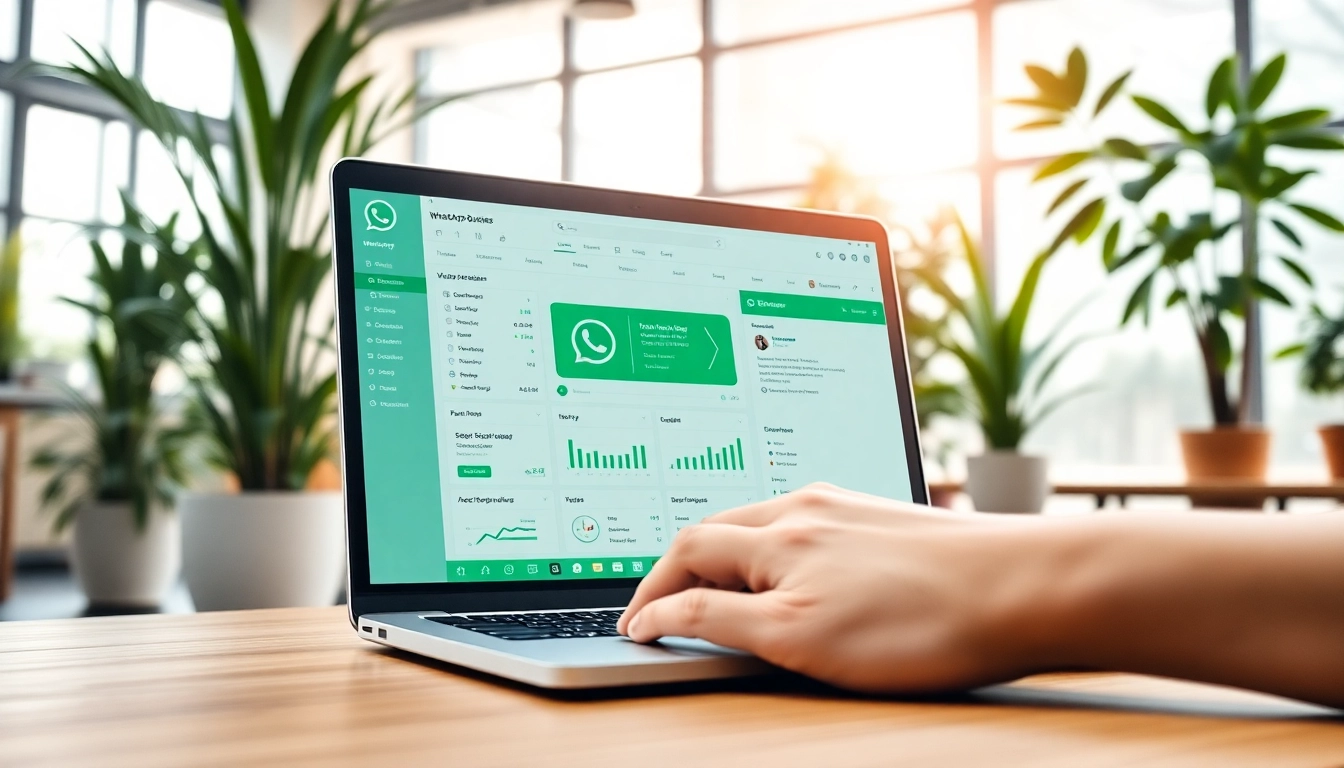
Understanding WhatsApp Business CRM
Introduction to CRM Systems
Customer Relationship Management (CRM) systems are software solutions designed to facilitate organizations in managing their interactions with current and potential customers. By centralizing customer data, CRM systems help businesses enhance their relationships with clients, streamline processes, and ultimately increase profitability. Such systems offer tools for sales management, productivity, and contact management, making them essential for organizations in the digital landscape.
In recent years, the integration of messaging platforms like WhatsApp into CRM systems has drastically changed the way businesses engage with customers. The WhatsApp Business CRM stands as a prime example of this trend, allowing businesses to leverage effective communication channels and optimize customer engagement.
The Role of WhatsApp in Business
As one of the most popular messaging apps globally, WhatsApp boasts over two billion active users, making it an invaluable tool for businesses aiming to connect with customers where they are most comfortable. WhatsApp for Business provides features specifically designed for commercial use, including automation, quick replies, and interaction metrics. These functionalities allow businesses to provide a responsive and personalized customer experience.
Furthermore, WhatsApp's extensive reach and user base allow brands to establish strong communication without the barriers usually found in traditional communication channels. As customer expectations for instant responses increase, WhatsApp's immediacy positions businesses to respond promptly and effectively, fostering trust and loyalty.
Features of WhatsApp Business CRM
The integration of WhatsApp into a CRM system introduces a variety of features that enhance communication. These include:
- Automated Messaging: Businesses can set up automated greetings, quick replies, and away messages, ensuring that customers always receive timely responses.
- Rich Media Sharing: WhatsApp allows users to share images, videos, and documents, providing a more interactive experience for customers.
- Labels and Filters: To manage conversations effectively, businesses can categorize contacts with labels, helping to organize interactions based on priority or status.
- Analytics and Reporting: Integrated analytics provide insights into customer engagement, allowing businesses to adjust strategies based on performance data.
- Seamless Integration: WhatsApp can be integrated with various CRMs to streamline workflows and keep all communications in one place.
Implementing WhatsApp Business CRM
Setting Up Your WhatsApp Business Account
The first step toward implementing a WhatsApp Business CRM is to create a WhatsApp Business account. This process ensures that your communications convey professionalism and credibility. Begin by downloading the WhatsApp Business app and registering using a phone number. This number should be dedicated to business purposes, separate from personal WhatsApp accounts.
Following registration, it is crucial to complete the business profile by providing essential information, including the business name, description, website link, and working hours. Establishing a professional presence on WhatsApp is integral to fostering customer trust.
Integrating with Existing Systems
Once your WhatsApp Business account is set up, the next crucial step is integrating it with your existing CRM system. This integration allows for real-time data synchronization, providing a unified view of customer interactions. Many business tools support WhatsApp integration through APIs, enabling enhanced functionality.
When integrating, consider the following steps:
- Choose the Right Tools: Select a CRM that supports WhatsApp integration to maximize efficiency.
- Utilize APIs: Use WhatsApp Business API for more advanced functionalities such as automated messaging and report generation.
- Test the Integration: Before going live, conduct tests to ensure everything operates smoothly.
Customizing the CRM for Your Needs
A key aspect of leveraging WhatsApp as a CRM tool is customization. Tailoring the system to meet specific business needs can significantly enhance usability and effectiveness. Here are some ways to customize your WhatsApp Business CRM:
- Personalized Responses: Create templates for common inquiries to ensure quick and personalized responses.
- Segmenting Customers: Utilize customer data to segment audiences for targeted messaging and campaigns.
- Automated Workflows: Set up automated workflows based on customer interactions to enhance efficiency.
Enhancing Customer Interactions
Streamlining Communication Channels
Effective customer communication is paramount for business success. WhatsApp Business CRM allows for streamlined communication across various channels, ensuring that businesses can respond to customer inquiries promptly. By integrating WhatsApp with existing communication platforms, organizations can centralize all messages, making it easier to track interactions.
Furthermore, offering multiple communication channels elevates customer convenience, empowering them to reach out on their preferred platform. This adaptability not only improves customer satisfaction but also increases engagement rates.
Automating Responses Using WhatsApp Business CRM
Automation in communication can significantly reduce response times and enhance customer experience. With WhatsApp Business CRM, businesses can set up automated responses for frequently asked questions, ensuring customers receive immediate assistance without manual intervention. This feature is particularly useful during peak hours when staff may be overwhelmed with inquiries.
In addition, automated follow-up messages can remind customers about appointments, surveys, or product launches, keeping your brand top of mind. Crafting these automated messages carefully enhances personalization and maintains a human touch in communications.
Utilizing Analytics for Better Engagement
Analytics is crucial in optimizing customer interactions. Leveraging the reporting features of WhatsApp Business CRM allows businesses to review engagement metrics such as message read rates, response times, and customer satisfaction scores. By analyzing this data, businesses can identify areas for improvement and adjust their communication strategies accordingly.
Moreover, regular analysis can help identify trends in customer behavior, facilitating timely adjustments to enhance engagement. Utilizing insights gained through analytics fosters informed decision-making, paving the way for improved customer relationships.
Best Practices for Using WhatsApp Business CRM
Establishing Effective Communication Strategies
To fully leverage WhatsApp Business CRM, it’s essential to develop effective communication strategies. Start by establishing clear communication guidelines that dictate how to engage with customers on WhatsApp. Consider factors such as tone, response times, and the type of content being shared.
Additionally, training team members to handle WhatsApp communications professionally ensures consistency across all customer interactions. Encouraging staff to employ a conversational yet professional tone can enhance customer engagement and satisfaction.
Tips for Customer Service Excellence
Exceeding customer expectations should be a priority. Employ the following strategies to ensure exceptional customer service via WhatsApp:
- Be Prompt: Respond to inquiries as quickly as possible, ideally within minutes.
- Personalize Interactions: Use customer names and details in conversations to foster a connection.
- Provide Value: Be informative and helpful in every interaction.
- Follow Up: Regularly check in with customers after resolving inquiries to ensure satisfaction.
Measuring Success and ROI
Finally, businesses must measure the success of their WhatsApp Business CRM initiatives to evaluate return on investment (ROI). Key performance indicators to focus on include:
- Customer Satisfaction Scores: Track levels of customer satisfaction through surveys and feedback.
- Response Times: Measure how quickly inquiries are addressed and resolved.
- Conversion Rates: Analyze how many customer interactions lead to sales or desired actions.
- Engagement Rates: Monitor metrics such as message open rates and customer replies.
Future of WhatsApp Business CRM
Trends in Customer Communication
The future of customer communication is rapidly evolving, with trends indicating an increased reliance on instant messaging platforms like WhatsApp. As businesses recognize the benefits of real-time communication, investing in WhatsApp Business CRM is becoming a strategic imperative. This trend is expected to grow as customers continue to demand faster, more efficient service.
Additionally, emerging technologies such as artificial intelligence and machine learning promise to transform customer interactions. These technologies enable businesses to personalize experiences and predict customer needs, enhancing the service provided through WhatsApp.
Potential Developments in WhatsApp Features
The ongoing development of WhatsApp features indicates a promising horizon for businesses utilizing the platform as a CRM tool. Expected advancements include more robust integration options, improved analytics capabilities, and enhanced automation features. These developments will significantly optimize how businesses leverage WhatsApp.
Moreover, as security and user privacy remain at the forefront of technology development, businesses can anticipate improvements that facilitate secure communications while complying with regulations and standards.
Preparing Your Business for the Future
To derive maximum benefit from WhatsApp Business CRM, businesses must stay proactive in adapting to ongoing changes. Regularly updating communication strategies based on industry trends and customer preferences is essential. Furthermore, investing in employee training on new features and best practices ensures that organizations remain competitive.
Lastly, keeping a pulse on customer feedback and market developments will enable businesses to pivot quickly and meet evolving expectations. In an ever-changing landscape, preparation and adaptability are key to harnessing the full potential of WhatsApp Business CRM.