Introduction to Saltwater Fly Fishing
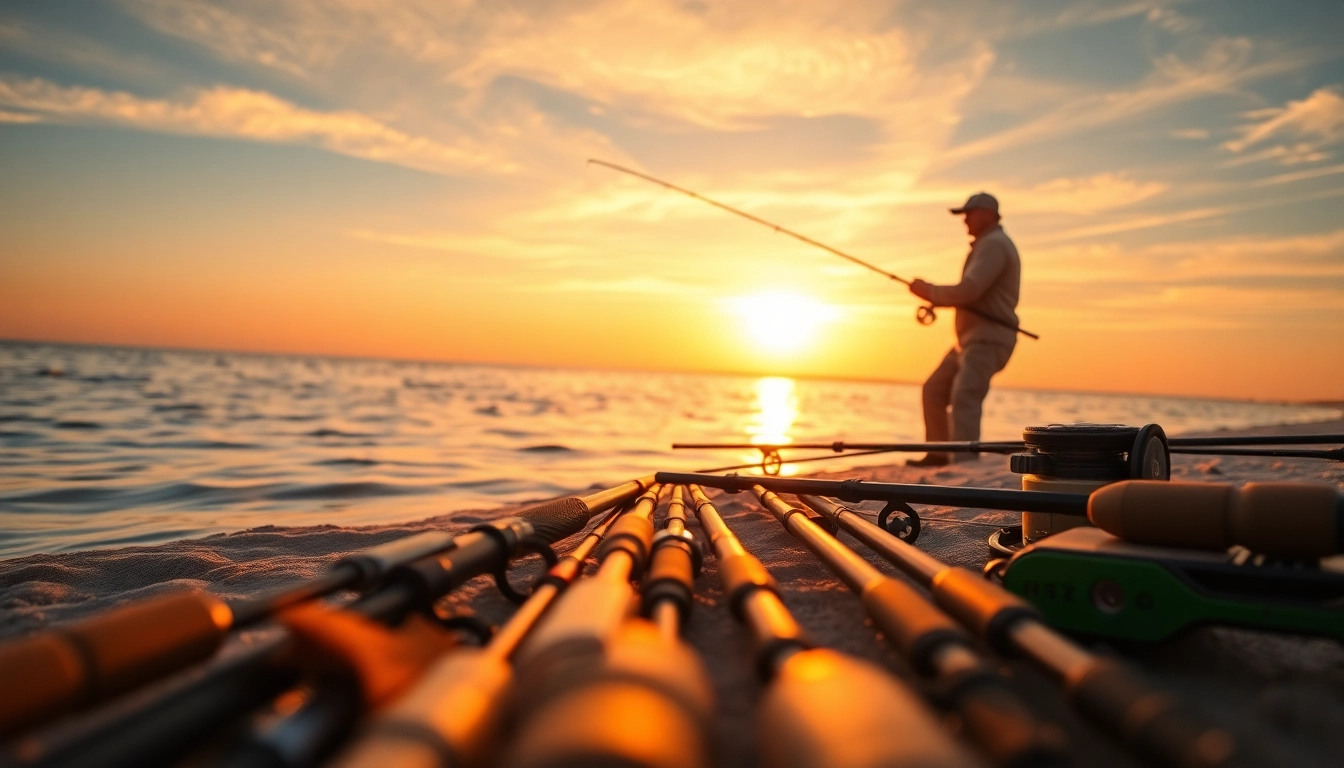
Saltwater fly fishing presents a thrilling and rewarding adventure for anglers of all skill levels. It combines the art of fly casting with the excitement of catching a variety of fish species in coastal and ocean environments. Whether you are a beginner or an experienced angler, understanding the fundamentals of Saltwater fly fishing is essential to mastering the techniques and strategies that lead to successful fishing outings.
What is Saltwater Fly Fishing?
Saltwater fly fishing involves using artificial flies as bait to target fish species inhabiting saltwater bodies such as the ocean, bays, and estuaries. Unlike traditional fishing methods that use bait or lures on hooks, fly fishing employs lightweight flies designed to mimic the natural food sources of game fish. This method requires a different approach in casting techniques, tackle, and gear compared to freshwater fishing.
Benefits of Saltwater Fly Fishing
Engaging in saltwater fly fishing offers numerous benefits:
- Connection to Nature: Fly fishing provides a unique chance to immerse yourself in beautiful coastal landscapes, fostering a deeper connection to the environment.
- Variety of Target Species: Anglers can target a wide range of fish, including tarpon, bonefish, and redfish, providing exciting challenges and opportunities.
- Skill Development: Mastering casting techniques and understanding tides and currents will enhance an angler's overall fishing proficiency.
- Relaxation and Meditation: The serene environment and rhythmic nature of casting can provide a meditative experience, reducing stress levels.
Essential Gear Needed for Saltwater Fly Fishing
Choosing the right gear is crucial for success in saltwater fly fishing. Essential equipment includes:
- Fly Rod: A longer and sturdier rod is needed to handle larger fish and wind conditions common in saltwater environments.
- Fly Reel: A durable reel that can handle saltwater exposure and features a reliable drag system is necessary.
- Fly Line: Specialized saltwater fly lines are designed for casting in wind and loading larger flies effectively.
- Leaders and Tippet: Leaders should be stronger and more abrasion-resistant to withstand saltwater environments.
- Flies: A selection of saltwater flies, including streamers, baitfish imitations, and crustaceans, tailored to target specific species.
Understanding Saltwater Fly Fishing Locations
The success of saltwater fly fishing heavily relies on the location chosen for fishing. Familiarizing yourself with top destinations and factors influencing fishing spots can elevate your fishing experience.
Top Destinations for Saltwater Fly Fishing
Each location offers unique opportunities and challenges for anglers. Popular saltwater fly-fishing destinations include:
- The Florida Keys: Home to world-class tarpon fishing and notable bonefish flats.
- Bahamas: Recognized for its pristine flats and abundant fish species, ideal for both wade and boat fishing.
- Bermuda: Offers pelagic fishing opportunities for species like marlin and dorado.
- Mexico's Yucatan Peninsula: Known for excellent bonefish and permit fishing in shallow waters.
- Hawaii: Provides unique options for catching specific species, including giant trevally.
Factors Influencing Fishing Spots
Understanding key factors that influence fishing spots is vital for successful outings. Consider:
- Tides: Fish activity can change drastically with tidal movements, and knowledge of local tide patterns will help optimize catch rates.
- Water Temperature: Different species are attracted to various temperature ranges, making water temperature a crucial aspect to monitor.
- Structure: Key features such as reefs, bars, and drop-offs can hold fish, providing sanctuary and feeding grounds.
- Weather: Wind conditions, cloud cover, and storms influence fish behavior and should be monitored prior to fishing.
Seasonal Considerations for Saltwater Fishing
Seasonality plays a significant role in saltwater fly fishing. Each season presents its unique opportunities:
- Spring: Fish become more active as water temperatures rise, making it ideal for targeting species like redfish and snook.
- Summer: Heat often leads to thriving baitfish populations, and anglers can expect a high season for tarpon and permit fishing.
- Fall: As temperatures cool down, migratory species are commonly encountered, providing excellent fishing possibilities.
- Winter: Although colder, certain species can still be targeted, and less crowded areas often yield rewarding experiences.
Techniques and Strategies
Mastering specific techniques and strategies in saltwater fly fishing enhances your effectiveness. Various methods are employed to improve catch rates and overall experience.
Casting Techniques for Saltwater Fly Fishing
Effective casting is crucial in saltwater environments. Techniques include:
- Double Haul: This advanced technique allows for longer casts and better line control, especially in windy conditions.
- Distance Casting: Mastering the ability to cast farther increases chances of reaching distant fish.
- Roll Cast: Efficient for casting in tight spaces and when there’s limited back-casting room, this technique is common in heavy winds.
- Palm Casting: Useful for short, accurate casts, palm casting requires minimal movement while maintaining control.
Best Practices for Catching Fish
Utilizing best practices can significantly increase angling success:
- Learn the Patterns: Gain an understanding of local fish patterns, including feeding and migration behaviors.
- Match the Hatch: Select flies that mimic the current baitfish available to entice fish effectively.
- Maintain Stealth: Approaching fish quietly and with minimal splash is vital to avoid spooking them.
- Use Appropriate Techniques: Each species has preferred presentations; adapt your techniques to suit different fish.
Common Mistakes to Avoid
Recognizing common mistakes can save time and improve results:
- Overcasting: Casting too far without targeting fish can lead to missed opportunities and fatigue.
- Poor Fly Selection: Not adapting flies to current conditions can result in fewer strikes.
- Inadequate Knowledge of Tides: Neglecting tide schedules can result in missed prime fishing windows.
- Disregarding Weather Conditions: Ignoring changes in conditions may negatively impact fishing effectiveness.
Safety and Conservation in Saltwater Fly Fishing
Practicing safety and conservation ensures sustainable fishing experiences while protecting marine ecosystems.
The Importance of Eco-Friendly Practices
Adopting eco-friendly practices is paramount for the well-being of aquatic environments. Strategies include:
- Catch and Release: This method allows fish populations to thrive, ensuring sustainability for future generations.
- Minimize Plastic Use: Reducing single-use plastics helps protect marine life and habitats.
- Respect Wildlife: Maintaining a safe distance from nesting or spawning fish and wildlife encourages healthier habitats.
- Participate in Cleanups: Engaging in community clean-up events aids in retaining ecological balance.
Safety Tips for a Successful Fishing Trip
Staying safe while engaging in saltwater fly fishing is essential. Consider the following tips:
- Wear Proper Gear: A life jacket, sunscreen, and appropriate clothing protect against the elements and unforeseen accidents.
- Stay Hydrated: Bring plenty of water, especially during hot weather, to prevent dehydration.
- Understand Local Navigational Hazards: Familiarize yourself with local waters to ensure safe and efficient travel.
- Fish with a Buddy: Having a partner increases safety and facilitates better fishing experiences.
Understanding Local Regulations
Observing local regulations is crucial for sustaining fish populations and avoiding penalties. Familiarize yourself with:
- Size and Bag Limits: Respecting catch limits prevents overfishing and promotes conservation efforts.
- Closed Seasons: Follow prescribed seasonal closures to protect spawning fish.
- Licensing Requirements: Ensure you have the necessary fishing licenses and permits required in the area.
- Check Local Guidelines: Each region has unique regulations; check with local authorities for specific rules.
Frequently Asked Questions
What fish species can I catch while saltwater fly fishing?
You can catch various fish species while saltwater fly fishing, including tarpon, bonefish, permit, snook, and redfish. Each species offers unique challenges and rewards.
Do I need special gear for saltwater fly fishing?
Yes, saltwater fly fishing requires specific gear such as a robust fly rod, saltwater reels, and specialized fly lines to handle larger fish and harsher environments.
When is the best time to go saltwater fly fishing?
The best time for saltwater fly fishing typically aligns with local seasons, with spring and fall often providing excellent fish activity and a wide variety of species.
How can I improve my casting technique?
To improve your casting technique, practice regularly, focus on precision and timing, and consider taking lessons from experienced anglers or instructors in the field.
Is saltwater fly fishing suitable for beginners?
Yes, saltwater fly fishing can be suitable for beginners, especially with proper guidance and gear. Starting with easier species and learning progressively will enhance your experience.