Understanding Kitchen Loofah: What It Is and Its Benefits
What Is a Kitchen Loofah?
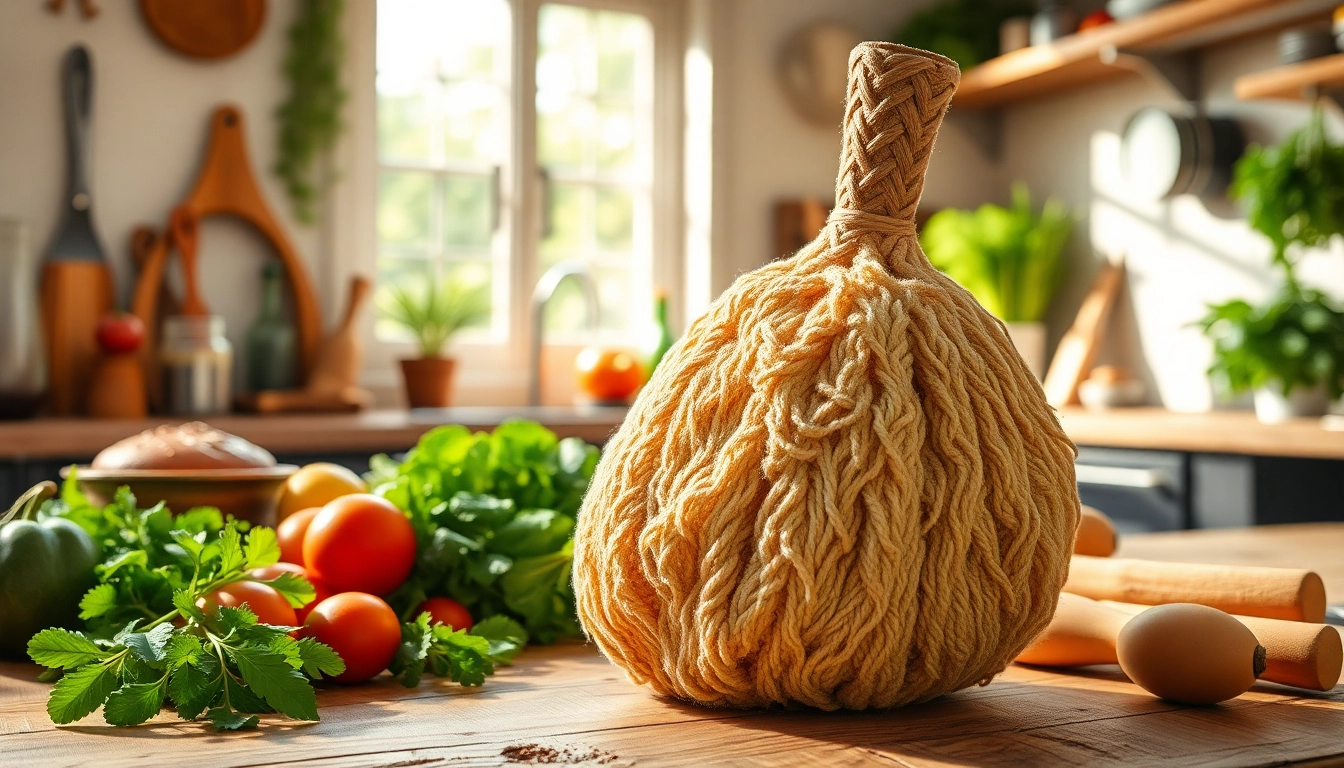
A kitchen loofah is a natural exfoliating sponge derived from the fibrous skeleton of the loofah plant, a member of the cucumber family. Grown primarily in tropical and subtropical climates, the loofah undergoes a unique transformation: while still immature, it is harvested, dried, and then its skin is removed, leaving a cellulose-based sponge that is perfect for scrubbing tasks. The unique texture of a kitchen loofah makes it an ideal tool for both cleaning and cooking, providing a biodegradable option for those looking to reduce plastic waste in their homes.
Benefits of Using Kitchen Loofah in Daily Life
The versatility of the kitchen loofah shines through in its myriad benefits:
- Eco-Friendly: Unlike synthetic sponges that often contain microplastics, kitchen loofahs are 100% biodegradable and compostable, minimizing environmental impact.
- Non-Toxic: Natural kitchen loofahs are free from harmful chemicals, making them safe for health-conscious households.
- Effective Cleaning: The coarse texture of a kitchen loofah provides effective scrubbing power, making it an excellent choice for scrubbing pots, pans, and surfaces without scratching them.
- Gentle on Skin: Beyond kitchen use, a kitchen loofah can be used for gentle exfoliation during bath times.
- Value for Money: A single loofah can last several weeks to months, depending on usage and care, making it a cost-effective choice.
Environmental Impact of Kitchen Loofah
The environmental benefits of using a kitchen loofah extend beyond its biodegradable nature. As consumer demand shifts towards sustainable alternatives, the cultivation of loofah plants supports agricultural biodiversity and reduces reliance on plastics. Additionally, the compostability of a kitchen loofah means it can easily return to the earth without contributing to landfill waste, fostering a circular economy of natural materials.
How to Select the Best Kitchen Loofah for Your Needs
Different Types of Kitchen Loofahs
When choosing a kitchen loofah, it’s important to know that they come in a variety of types:
- Whole Loofah: This is the natural form that includes the entire loofah gourd, great for various scrubbing tasks.
- Cut Loofah: Sold in smaller pieces or discs, cut loofahs are convenient and widely used for targeted scrubbing.
- Loofah Pads: These are processed into flat pads and are often softer, making them suitable for delicate cleaning tasks.
- Loofah Sponges: A hybrid of traditional loofah and synthetic sponge, these options may have varying levels of biodegradability.
Factors to Consider When Buying a Kitchen Loofah
Prior to purchase, consider the following factors:
- Quality: Opt for organic, sustainably grown loofahs to ensure high quality and performance.
- Size: Choose a size appropriate for your cleaning tasks—larger loofahs for heavy-duty jobs, smaller ones for detailed work.
- Texture: Depending on your cleaning needs, select a loofah with either a coarse or softer texture.
- Freshness: Look for loofahs that have recently been harvested to benefit from optimal performance.
Where to Purchase Quality Kitchen Loofah
Kitchen loofahs can be found at local supermarkets, natural food stores, and specialized online retailers. Always check reviews and sourcing information to ensure you're purchasing a quality product. Additionally, consider exploring local farmer’s markets, as they often feature artisans selling organic loofahs. For more options and insights, you can visit kitchen loofah resources online.
Creative Ways to Use Kitchen Loofah in Your Kitchen
Incorporating Kitchen Loofah into Your Cleaning Routine
A kitchen loofah can be a valuable addition to your cleaning supplies:
- Dishes: Use it to scrub saucepans, pots, and bakeware effectively. It can tackle tough stains while ensuring surfaces remain scratch-free.
- Countertops: The natural fibers are excellent for wiping down countertops and cutting boards without causing damage.
- Vegetable Scrubbing: Use a clean loofah to scrub vegetables, aiding in the removal of dirt while avoiding harmful chemicals often found in conventional sponges.
Unique Cooking Uses for Kitchen Loofah
Beyond cleaning, kitchen loofahs can be creatively incorporated into food preparation:
- Loofah Recipes: When dried and cut into slices, loofah can be used in cooking, adding texture to soups and stews.
- Food Presentation: Slices of loofah can also be used as unique garnishing elements or for serving dishes.
- Loofah Infusion: Some culinary enthusiasts grind loofah to infuse with oils or used in marinating sauces for an interesting flavor twist.
Kitchen Loofah Crafts: Get Creative!
If you’re feeling crafty, kitchen loofahs offer potential for innovative projects:
- DIY Soap Dispensers: Soak pieces of loofah in scented soap solutions to create natural soap dispensers.
- Sponges for Artistic Projects: Use cut or shredded loofah in art or craft projects for a unique texture.
- Home Decor: Incorporate loofah into floral arrangements or wreaths for a rustic touch.
Maintaining and Caring for Your Kitchen Loofah
How to Clean Your Kitchen Loofah
Regular upkeep is crucial for prolonging the life of your kitchen loofah. After each use, rinse the loofah thoroughly under warm water, ensuring all food particles are removed. For deeper cleaning, soak it in a mixture of vinegar and water or a mild bleach solution for a few minutes, then rinse well and allow it to dry completely to prevent bacterial growth.
Signs Your Kitchen Loofah Needs Replacing
It's essential to keep an eye on the condition of your kitchen loofah. Signs that it needs replacing include:
- Brittleness or hardening of the fibers
- Visible discoloration or mold
- A strong or unpleasant odor
Once you observe these indicators, it’s time to dispose of the old loofah and replace it with a fresh one.
Sustainable Disposal Methods for Used Kitchen Loofah
When your kitchen loofah has reached the end of its life cycle, it's vital to dispose of it sustainably. The best method is to compost it, as it will break down naturally and enrich the soil. Alternatively, you can also throw it into your green waste bin, ensuring minimal environmental impact.
Frequently Asked Questions About Kitchen Loofah
What is the difference between natural and synthetic kitchen loofah?
Natural kitchen loofah is biodegradable and made from the fibrous skeleton of a plant, while synthetic ones are made from plastic materials.
Can kitchen loofah be used for skin exfoliation?
Yes, kitchen loofah can be used for gentle skin exfoliation, but ensure it's clean to avoid irritation.
How long does a kitchen loofah last?
With proper care, a kitchen loofah can last anywhere from a few weeks to several months, depending on usage.
Is kitchen loofah safe for food contact?
Yes, kitchen loofah is safe for food contact, provided it is kept clean and maintained regularly.
Can I grow my own kitchen loofah?
Yes, you can grow kitchen loofah plants in your garden, which are easy to cultivate and care for in warm climates.