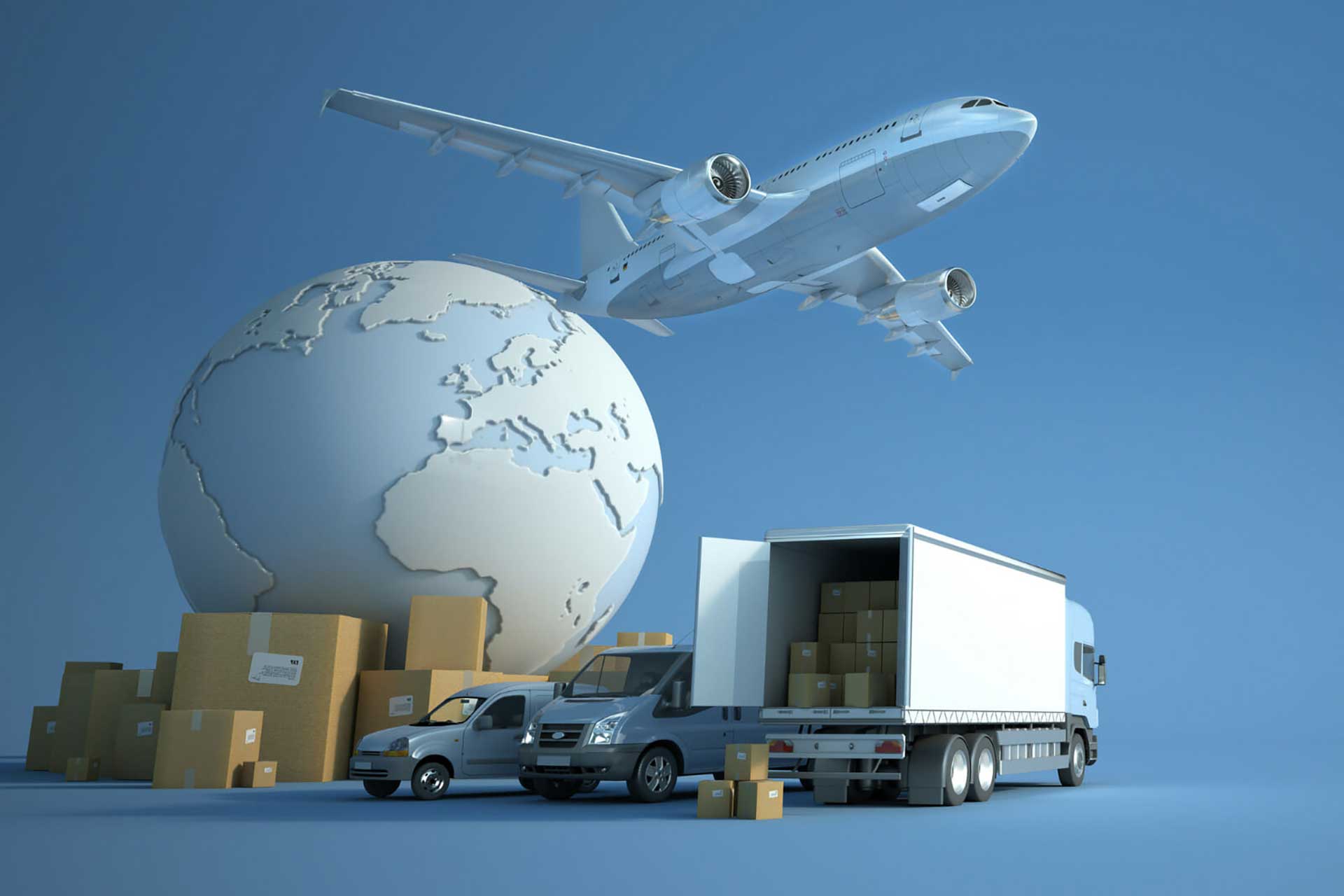
What Is Logistics?
Logistics plays a pivotal role in the supply chain ecosystem, encompassing the efficient management of the flow of goods, services, and information from the point of origin to the final customer. In essence, it represents a bridge that connects production with consumption, thereby ensuring that demand is met effectively. Understanding logistics is crucial for businesses of all sizes, as it impacts operational efficiency, cost control, and customer satisfaction. As organizations strive for streamlined operations, the importance of logistics cannot be overlooked. For those seeking a comprehensive dive into logistics practices, exploring resources such as Logistics can provide valuable insights.
Definition and Importance of Logistics
Logistics is defined as the detailed coordination of complex operations involving people, facilities, and supplies. It is fundamentally concerned with the movement and management of materials to meet the requirements of the market. The significance of logistics lies in its ability to create value — not just in terms of cost savings but also in enhancing customer satisfaction through timely and accurate delivery of products. According to industry leaders, a robust logistics framework can lead to improved efficiency, reduced waste, and increased competitiveness.
Key Components of Logistics
The logistics process can be divided into several core components, each vital to the overall effectiveness of logistics management:
- Transportation: The movement of goods from one location to another, encompassing various modes such as trucking, rail, air, and sea.
- Warehousing: The storage of goods in facilities where they can be retrieved efficiently when needed.
- Inventory Management: The tracking of goods in stock to ensure ready availability while minimizing holding costs.
- Order Fulfillment: The complete process from order placement to delivery, ensuring that customer requirements are met without delay.
- Logistics Information Systems: The technology platforms that facilitate the tracking and management of logistics operations through data analysis.
Logistics vs. Supply Chain Management
While logistics and supply chain management are often used interchangeably, they are distinct disciplines. Logistics focuses specifically on the movement and storage of goods, while supply chain management encompasses the broader spectrum of managing the entirety of the supply chain — from raw material sourcing to final product delivery. Essentially, logistics is a component of supply chain management that deals with the inward and outward flow of goods. Understanding this difference is crucial for businesses looking to optimize their operations and achieve a competitive edge in the market.
Types of Logistics
Inbound and Outbound Logistics
Logistics can be categorized into inbound and outbound operations. Inbound logistics refers to the processes related to receiving, storing, and distributing raw materials and resources from suppliers to the manufacturing facility. Conversely, outbound logistics involves the distribution of finished products from the manufacturer to the customer. Both types are critical for maintaining a fluid supply chain. A well-structured inbound process, for instance, can lead to improved production cycles, while efficient outbound logistics ensure customer satisfaction through timely deliveries.
Third-Party Logistics (3PL)
Third-party logistics (3PL) providers offer outsourced logistics services, including transportation, warehousing, and fulfillment. By leveraging a 3PL, businesses benefit from specialized expertise and infrastructure without making significant upfront investments. This can prove particularly advantageous for startups or smaller firms that may lack the resources to manage extensive logistics operations themselves. Moreover, 3PLs often employ the latest technology for efficient management, offering clients insights and analytics into their logistics activities.
Military Logistics and Its Applications
Military logistics is a specific branch of logistics that deals with the planning and execution of the movement and support of forces. It encompasses everything from troop transport and supply chain management to planning for contingencies and support in combat operations. The applications of military logistics principles can often be observed in civilian contexts, particularly in disaster response and emergency management scenarios where rapid, effective mobilization is crucial. The precision required in military logistics emphasizes the importance of strategic planning and resource allocation.
Challenges in Logistics Management
Common Logistics Issues
Logistics management is fraught with challenges that can impact the efficiency of operations. Common issues include:
- High Transportation Costs: Fluctuating fuel prices and associated logistics costs can strain budgets.
- Inventory Management Errors: Mismanagement can lead to stockouts or overstock, impacting customer satisfaction.
- Demand Forecasting: Inaccurate forecasting leads to mismatched supply and demand, resulting in lost sales or excess inventory.
- Supply Chain Disruptions: External factors, such as natural disasters or geopolitical events, can severely affect logistics operations.
Impact of E-commerce on Logistics
The rise of e-commerce is reshaping logistics in significant ways. As online shopping becomes increasingly prevalent, logistics operations must adapt to accommodate higher volumes of orders with greater urgency. This includes the implementation of efficient last-mile delivery solutions and the utilization of technology to streamline processes. The demand for faster delivery times, coupled with the expectation for real-time tracking, necessitates a more agile logistics approach that prioritizes customer experience and operational flexibility.
Global Logistics Challenges
Global logistics presents its own set of challenges, including customs regulations, trade compliance, and varying transportation infrastructure across countries. Businesses engaged in international logistics must navigate complex regulatory environments while ensuring that goods are transported safely and in compliance with multiple jurisdictions. Additionally, global supply chain disruptions—whether from pandemics like COVID-19 or geopolitical conflict—can lead to significant delays and increased costs, making adaptability and contingency planning critical components of any global logistics strategy.
Best Practices in Logistics
Optimizing Transportation and Delivery
Efficiency in transportation is crucial for effective logistics management. Organizations can optimize their transport operations by implementing route optimization technologies, utilizing cargo space efficiently, and consolidating shipments when feasible. Additionally, regularly reviewing transportation contracts can uncover potential savings and improve service levels. Emphasizing partnerships with dependable carriers can also enhance reliability and efficiency in delivery.
Implementing Technology in Logistics
The adoption of technology in logistics can significantly enhance operational efficiency. Technologies such as warehouse management systems (WMS), transportation management systems (TMS), and supply chain analytics tools enable logistics managers to monitor and streamline processes. Automation and artificial intelligence (AI) are also making inroads, facilitating tasks ranging from inventory management to predictive analytics that inform demand forecasting. Businesses should prioritize investing in technology that aligns with their operational requirements and scales with their growth.
Strategies for Cost Reduction in Logistics
Cost control is a critical element of successful logistics management. Strategies for reducing logistics costs include:
- Streamlining Processes: Analyzing workflows and identifying bottlenecks can lead to efficiency gains.
- Negotiating with Providers: Maintaining strong relationships with suppliers and carriers can result in favorable contract terms.
- Leveraging Technology: As mentioned, technology can automate repetitive tasks and provide visibility into operations, reducing manual labor costs.
- Reducing Wasted Warehousing: Implementing just-in-time inventory practices can minimize storage costs and improve cash flow.
Measuring Logistics Performance
Key Performance Indicators (KPIs) for Logistics
To gauge the effectiveness of logistics operations, businesses should establish key performance indicators (KPIs). Common KPIs include:
- Order Accuracy: The percentage of orders fulfilled accurately without errors.
- Delivery Time: The average time taken from order placement to delivery.
- Inventory Turnover: A metric that indicates how often inventory is sold and replaced over a period.
- Shipping Costs Per Order: This KPI helps assess the cost-effectiveness of transportation methods.
Continuous Improvement in Logistics Processes
Continuous improvement is essential for maintaining competitiveness in logistics. This can be achieved through techniques such as lean management, Six Sigma, and regular assessments of logistics methods and processes. By fostering a culture of innovation and regularly soliciting feedback from team members, organizations can identify areas for improvement and adapt their processes accordingly. Implementing regular training can also keep personnel updated on the latest practices and technologies in logistics management.
Examples of Successful Logistics Management
Various companies have demonstrated exemplary logistics management, leading to substantial efficiencies and customer satisfaction. For instance, Amazon has redefined logistics with its use of fulfillment centers, sophisticated inventory management, and last-mile delivery solutions that ensure rapid order fulfillment. In contrast, companies like Walmart have leveraged data analytics to optimize supply chain and logistics strategies, resulting in lower costs and higher service levels. Studying these successes can provide valuable lessons for organizations aiming to enhance their logistics capabilities.