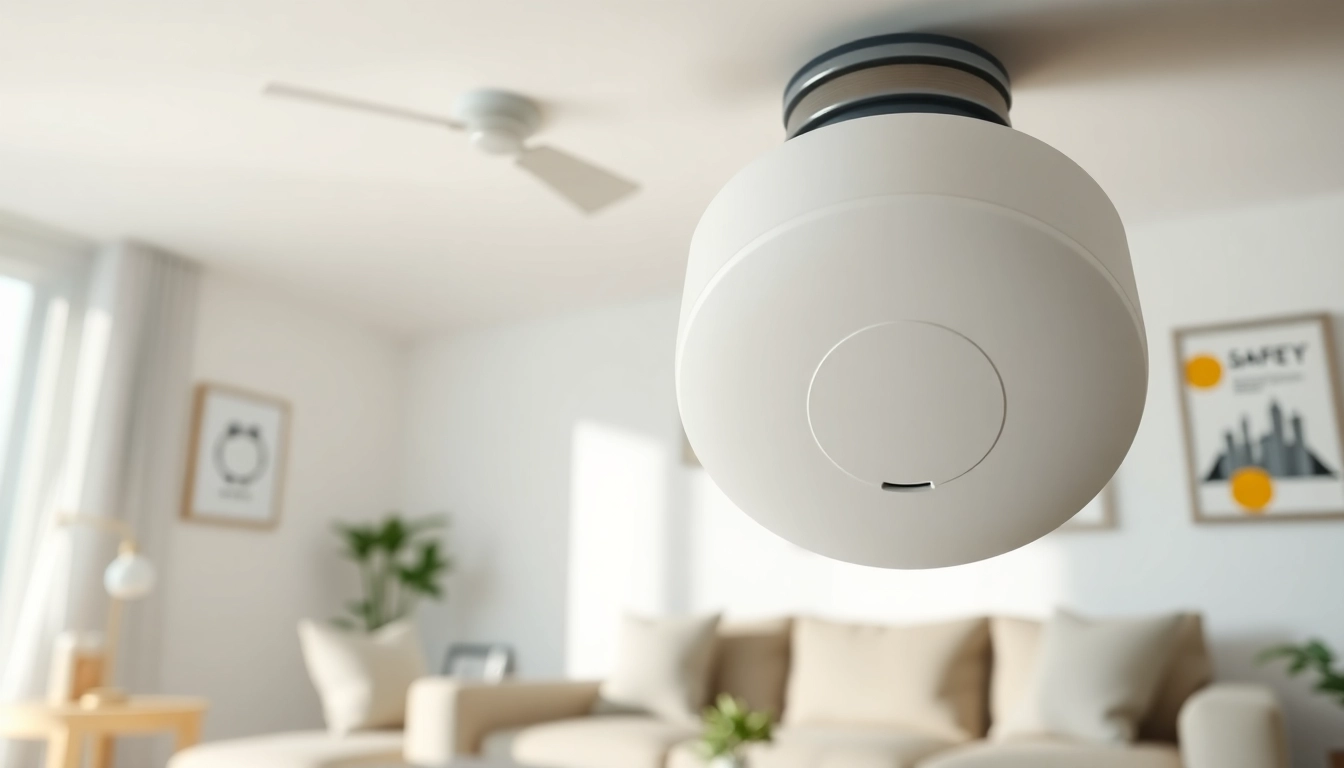
Introduction to Smoke Detector Batteries
Smoke detectors are essential devices that protect our homes and lives by providing early warnings in case of fire. A critical component of these devices is the smoke detector battery, which powers them to function effectively. Understanding the significance of smoke detector batteries can help ensure that your safety devices are always operational, ultimately promoting a safer living environment.
What is a Smoke Detector Battery?
A smoke detector battery powers the electronic components of a smoke detector, allowing it to detect smoke particles and activate the alarm system. There are various types of batteries used in smoke detectors, each designed to support specific features and functionalities of the smoke detection systems.
Types of Smoke Detector Batteries Available
When it comes to smoke detector batteries, they generally fall into two main categories: disposable and rechargeable. The main types include:
- Alkaline Batteries: These are commonly used in most traditional smoke detectors. They are affordable and have a decent lifespan, typically lasting around six months to a year.
- Lithium Batteries: Lithium batteries usually last longer than alkaline batteries, often providing power for up to ten years. They are often found in hardwired smoke detectors that feature battery backup.
- Nickel-Cadmium (NiCd) Batteries: These rechargeable batteries are less common but still used in some smoke detectors, allowing users to recharge them when they run low on power.
- Lead-Acid Batteries: Generally used for higher-power needs, these batteries can often be found in commercial smoke detection systems.
How Smoke Detector Batteries Work
Smoke detectors operate by utilizing a technology that detects smoke particles in the air. When smoke enters the sensing chamber, it disrupts a light beam or ionization chamber, triggering the alarm. Whether powered by alkaline, lithium, or rechargeable batteries, the energy supplied is crucial for the different sensing technologies, such as photoelectric or ionization. Both require reliable energy sources to function effectively, making it imperative to have a properly functioning smoke detector battery.
Choosing the Right Smoke Detector Battery
Choosing the right battery for your smoke detector can be paramount in ensuring continued effectiveness. A selection failure might lead to improper functions during emergencies.
Compatible Battery Types for Your Detector
Different smoke detectors have unique power requirements. To ensure compatibility, read the manufacturer's instructions on battery specifications. Most smoke detectors allow for alkaline and lithium batteries, while some models might require specific types due to size restrictions or energy needs.
Factors to Consider When Buying Batteries
When purchasing smoke detector batteries, consider the following factors:
- Lifespan: Choose a battery with a longer lifespan to minimize replacements.
- Cost: Evaluate your budget and consider long-term costs, as lithium batteries are more expensive but last significantly longer.
- Brand Reputation: Opt for well-known brands that offer warranties and have a positive track record for performance.
- Storage Conditions: If you live in areas with extreme temperatures, select batteries that can withstand various conditions without losing efficiency.
Top Brands for Smoke Detector Batteries
Several reputable brands offer high-quality smoke detector batteries:
- Energizer: Known for producing dependable alkaline and lithium batteries, Energizer has a long-standing reputation in the market.
- DuraCell: DuraCell batteries are highly regarded for their reliability and long-lasting performance.
- Panasonic: Panasonic lithium batteries are particularly noted for their superior lifespan and efficiency.
- Rayovac: With a range of batteries tailored for smoke detectors, Rayovac offers competitive pricing and solid performance.
Best Practices for Smoke Detector Battery Maintenance
Proper maintenance of smoke detector batteries can significantly enhance their longevity and reliability.
Routine Checks and Testing
Routine checks ensure that your smoke detector is operational and alert for potential hazards. Testing your smoke detector is straightforward:
- Press the test button: This sends a signal to activate the alarm.
- Listen for the alarm sound: If you do not hear the alarm, the battery may be low or dead.
- Check connections: Ensure batteries are correctly seated, and terminals are clean and free from corrosion.
Replacing Smoke Detector Batteries: How Often?
Many experts recommend replacing smoke detector batteries at least once a year. However, if you are using alkaline batteries, plan for semi-annual changes to maintain optimal functionality. For lithium batteries, plan on inspections more frequently, as you may need to replace them every ten years, or sooner based on performance monitoring.
Signs Your Smoke Detector Battery Needs Replacement
Look out for these signs that indicate your smoke detector battery may need replacement:
- Chirping Sound: This often signifies a low battery and should be addressed immediately.
- Dim Indicator Light: If your smoke detector has a visual indicator, ensure that it remains bright, signaling sufficient power.
- Frequent Tests Fail: If the alarm does not activate upon testing, the battery may be the issue.
Performance Metrics of Smoke Detector Batteries
Understanding performance metrics can help ensure that you choose the right battery for your smoke detector.
Battery Lifespan and Efficiency
Battery lifespan is a critical metric. Alkaline batteries typically last 6 to 12 months based on usage, while lithium batteries can remain functional for a decade. Considering your smoke detector model and features when assessing battery efficiency is also vital, as devices with additional alarms or sensors may drain batteries more quickly.
Understanding Battery Ratings
Battery ratings are crucial for determining performance. Look for the following metrics:
- Voltage: Ensure you choose a battery with the same voltage as required by your smoke detector.
- Capacity: Measured in milliamp hours (mAh), this indicates how much energy the battery can store.
- Self-Discharge Rate: Batteries will lose power over time; knowing this rate can help in selecting long-lasting options.
Environmental Impact of Smoke Detector Batteries
Dispose of smoke detector batteries responsibly to minimize environmental impact. Some batteries contain hazardous materials that, if not disposed of properly, can cause pollution. Check local regulations and recycling options to ensure safe disposal.
Conclusion: Elevating Home Safety with Proper Battery Use
The significance of smoke detector batteries extends beyond just keeping devices powered. By understanding their importance and maintaining them properly, homeowners can create a safer environment.
Summary of Key Points
To summarize:
- Smoke detector batteries are crucial for the functionality of alarms.
- Choosing the right battery includes considering compatibility, lifespan, and brand.
- Regular maintenance and replacing batteries at appropriate intervals are essential for optimal performance.
- Understanding battery ratings can help in making informed choices.
- Dispose of batteries responsibly to safeguard the environment.
Resources for Smoke Detector Safety
For further information on smoke detector safety and maintenance, consider resources from organizations like the National Fire Protection Association (NFPA) or local fire departments that can offer guidance on best practices and regulations.
Final Thoughts on Smoke Detector Battery Maintenance
Regular maintenance and awareness of your smoke detector battery needs can significantly enhance the safety of your home. With advancements in battery technology and a greater understanding of how to care for these power sources, you can ensure that your smoke alarms operate reliably, providing peace of mind for you and your loved ones.