
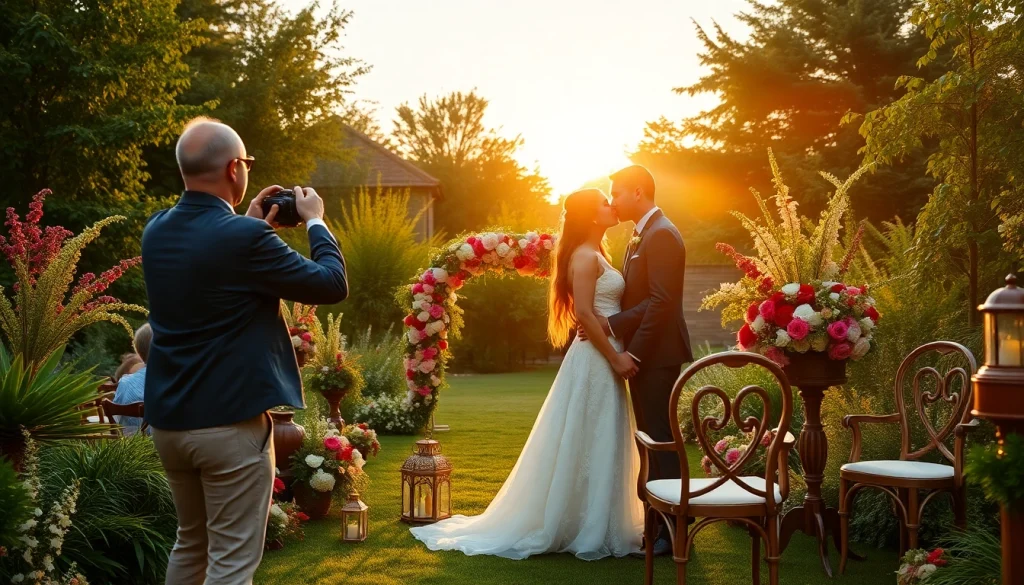
Understanding Wedding Photography
The Essence of Wedding Photography
Wedding photography is an art form that captures one of the most significant days in a couple’s life. The essence of this photography lies in preserving moments that convey emotion, tell a story, and immortalize the day in vivid details. Every glance, every tear, and every smile should reflect the connection between the couple and their loved ones. In essence, wedding photography transcends merely taking pictures; it is about encapsulating the atmosphere, feelings, and nuances of love in a way that can be cherished for generations.
Types of Wedding Photography Styles
When it comes to wedding photography, there are various styles that cater to different preferences and themes. Some popular styles include:
- Traditional Photography: Focused on posed shots and formal portraits that capture the couple with family and friends.
- Photojournalistic Photography: This style captures candid moments in a narrative style, allowing for a more natural and unstaged account of the day.
- Fine Art Photography: Combining artistic elements, this style often involves creative angles and lighting, emphasizing the beauty and aesthetics of each moment.
- Documentary Photography: A blend of photojournalism and storytelling, documenting the entire wedding day from start to finish.
- Destination Wedding Photography: Specialized in capturing weddings held in unique locations, focusing on the location’s beauty along with the event.
Each style has its merits, and choosing the right one is crucial in aligning with the couple’s vision for their special day.
Common Misconceptions About Wedding Photography
There are many misconceptions surrounding wedding photography that can influence a couple’s decision-making process:
- All Photographers Are the Same: This is far from true. Styles, methodologies, and personalities vary significantly among photographers.
- It’s All About the Gear: While quality equipment is essential, the photographer’s skills and experience are what truly matter.
- Editing Is Just a Quick Process: In reality, editing photos is a detailed process that can take considerable time to achieve the desired effect.
- More Photos Mean Better Quality: Quality over quantity should always be the approach; it’s about capturing the right moments rather than a high volume of images.
Dispelling these myths helps couples make informed decisions that align closely with their expectations of Wedding photography.
Choosing the Right Photographer
What to Look For in Wedding Photography
Choosing the right photographer can be overwhelming given the multitude of options available. Here are key elements to consider:
- Portfolio: Review a photographer’s portfolio to assess their style and ensure it aligns with your vision.
- Experience: An experienced photographer will know how to handle various situations that may arise on the wedding day.
- Personal Approach: Consider their communication style; a good rapport often results in better photographs.
- Reviews and Testimonials: Look for feedback from previous clients to gauge satisfaction and reliability.
- Packages and Pricing: Analyze what is included in each package and ensure it meets your budgetary needs.
Questions to Ask Potential Photographers
When meeting potential photographers, it’s essential to ask the right questions to ensure they are a good fit:
- What is your photography style, and can you provide examples?
- How many weddings do you shoot per year?
- What is included in your wedding packages?
- How do you handle unexpected situations (e.g., bad weather)?
- What is your policy on payment and cancellation?
These questions not only help in narrowing down choices but also clarify expectations on both sides.
Understanding Photographer Packages for Wedding Photography
Before signing a contract, it’s vital to understand the photographer’s packages. Most photographers offer tiered packages based on:
- Coverage Hours: The duration of time the photographer will be present at the wedding.
- Number of Images: How many edits and raw images are included in the package.
- Albums and Prints: Whether physical albums or prints are part of the offer, and which styles are available.
- Engagement Sessions: Some packages include pre-wedding shoots, which can help build rapport with your photographer.
- Second Shooter: Having an assistant can provide additional angles and coverage.
Clarifying these details ensures you receive what you expect and aids in effective budgeting.
Planning for Your Wedding Photography
Best Times of Day for Wedding Photography
The time of day can dramatically influence the quality of your wedding photographs. Generally, the best times include:
- Golden Hour: This occurs shortly after sunrise or just before sunset when lighting is soft and warm.
- Mid-Morning: Offers good lighting and fewer harsh shadows, perfect for outdoor ceremonies.
- Late Afternoon: Similar to golden hour but closer to sunset, providing stunning backdrops for evening receptions.
Discussing timing with your photographer can help plan the day effectively, ensuring that the light conditions are optimal for stunning photos.
Creating a Shot List for Wedding Photography
A shot list is an essential tool that ensures no significant moment or detail is overlooked. Consider including the following:
- Ceremony Highlights: Processional, vows, first kiss, and recessional.
- Family Portraits: Key family members that should be included in official photographs.
- Details: Rings, invitations, table settings, and other decor elements.
- Candid Moments: Guests’ reactions, fun poses, and interactions during the day.
Share this list with your photographer ahead of time to align expectations and ensure all important moments are captured.
Working with Your Wedding Planner on Photography
Collaboration between a couple, their photographer, and the wedding planner is crucial for a seamless photography experience. Here’s how to work together effectively:
- Timeline Creation: Work with your planner to develop a timeline that ensures photos are taken during key moments.
- Scouting Locations: Explore potential photo spots with your planner that align with your vision.
- Communication: Maintain an open line of communication between all parties to address any concerns as they arise.
By joining forces, you can make sure that every aspect of the day unfolds perfectly, leaving ample room for capturing remarkable photographs.
Capturing the Perfect Moments
Posing Tips for Wedding Photography
While candid moments often capture the best emotions, posed photos are also essential. Here are tips to ensure these shots look natural:
- Relax and Have Fun: Encourage couples to engage with each other, as genuine interactions lead to authentic photos.
- Find Angles: Photographers should direct the couple to find flattering angles, using body positioning to enhance the shot.
- Use Props: Incorporating elements like bouquets, hats, or chairs can make poses more dynamic and less stiff.
Balancing posed and candid shots ensures a comprehensive album that conveys the full experience of the day.
How to Embrace Natural Moments in Wedding Photography
Natural moments can often be more impactful than posed shots. To capture these, photographers can:
- Be Discreet: Using a candid approach allows the photographer to blend in and capture genuine emotions as they unfold.
- Anticipate Moments: Know what to look for, such as laughter between friends or emotional reactions during speeches.
- Create a Relaxed Atmosphere: Helping couples feel comfortable creates an environment where they can forget the camera is there.
Capturing the essence of the day through natural moments adds storytelling depth to wedding albums.
Photo Editing Process for Wedding Photography
The editing process is where a photographer’s final artistic vision comes to life. Essential steps include:
- Initial Review: Skimming through captured images to select the best shots for editing.
- Color Correction: Adjusting colors, contrast, and saturation to create an appealing aesthetic.
- Retouching: Minor enhancements like skin smoothing, blemish removal, and sharpening details.
- Consistency: Ensuring the overall look of the images aligns with the chosen style and vision.
Understanding this process can assure couples of the photographer’s commitment to delivering quality images that reflect the essence of their wedding day.
After the Wedding: Preserving Your Memories
Albums vs. Digital Files in Wedding Photography
Post-wedding, couples are often faced with the decision between physical albums or digital files. Here are advantages of each:
- Albums: Offer a tangible, curated experience that can be displayed and cherished, creating a beautiful keepsake.
- Digital Files: Convenient for sharing on social media or storing digitally, allowing couples to have quick access to their memories.
Ultimately, the choice comes down to personal preference and how couples wish to engage with their memories long after the wedding day.
How to Share Your Wedding Photography with Friends
Sharing wedding photos can be a joyful experience. Here are some suggestions:
- Social Media: Create an album on platforms like Instagram or Facebook to share highlights.
- Online Galleries: Use a private online gallery service where guests can view and download photos.
- Physical Copies: Sharing prints during gatherings or by mail can create a more personal touch.
Keep in mind the privacy concerns of guests when deciding what to share publicly.
Tips for Displaying Wedding Photography at Home
Displaying wedding photos in your home is a wonderful way to celebrate your love. Consider these ideas:
- Gallery Wall: Create a dedicated space highlighting different images in various sizes and frames.
- Framed Portraits: Choose a few favorite images for framed displays in key areas like the living room or bedroom.
- Photo Books: A curated photo book can serve as a conversational piece while ensuring the memories are easily accessible.
By carefully selecting how you display your memories, you elevate your home’s decor while celebrating a monumental moment in your lives.
Frequently Asked Questions
What should we prioritize when choosing a wedding photographer?
Focus on their portfolio, experience, and whether their style aligns with your vision. Communication is also key!
How many hours of coverage do we need?
This depends on your wedding schedule. Typically, 8-10 hours covers pre-ceremony, ceremony, and reception.
Can we customize our wedding photography package?
Many photographers offer customizable options to fit your specific needs, so don’t hesitate to ask!
When should we schedule our engagement session?
It’s best to plan your engagement session 2-3 months before the wedding. This helps build rapport with your photographer.
How long after the wedding will we receive our photos?
Typically, it takes 4-12 weeks for photographers to deliver edited images, depending on their workload.