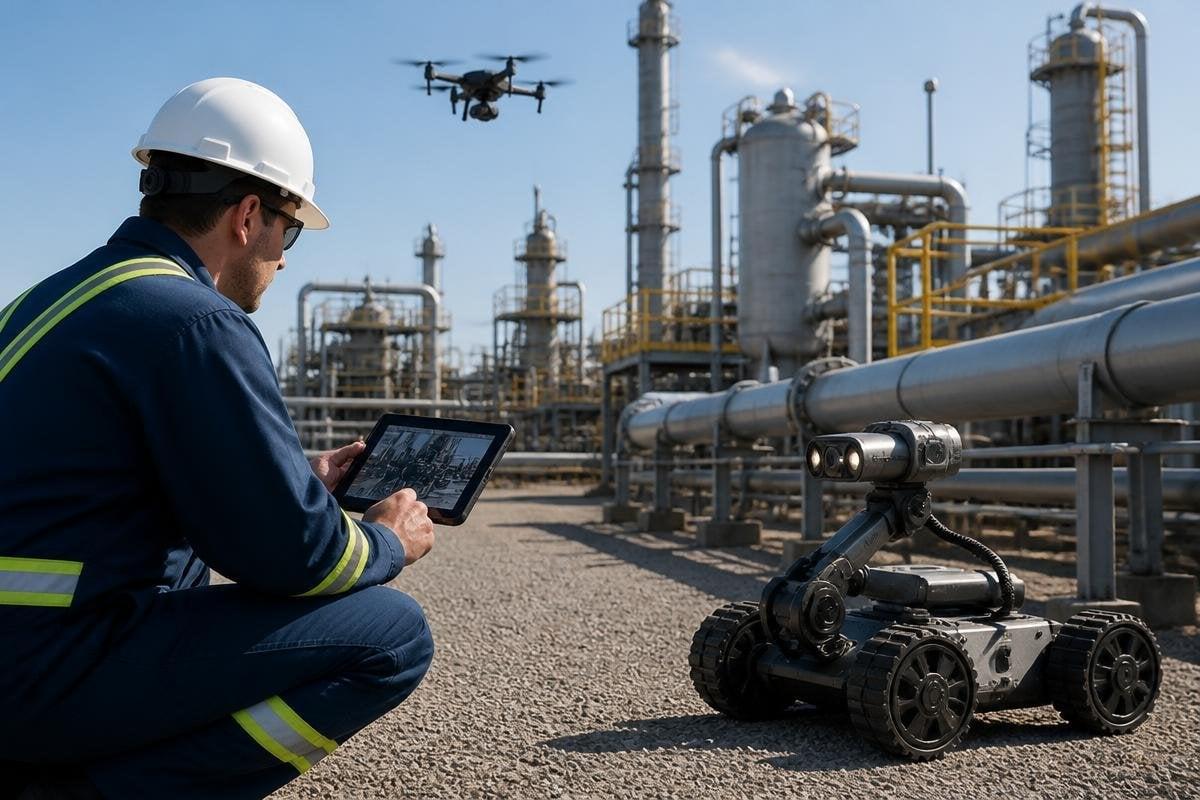
The Fundamentals of Technology
Defining Technology and Its Importance
Technology is a broad term that encompasses a variety of tools, systems, and methods used to solve problems, enhance processes, and facilitate human activities. It combines scientific knowledge with practical applications, resulting in innovations that significantly shape our daily lives. The essence of Technology lies in its capacity to modify and improve human experiences across different domains, making our existence more efficient and productive.
The importance of technology can be observed in its ability to drive progress in various sectors such as healthcare, education, transportation, and communication. Each breakthrough leads to improvements in quality of life, pushing boundaries and creating opportunities that were previously unimaginable.
Types of Technology in Modern Society
Understanding the different types of technology is crucial to recognizing their impact. These can be categorized broadly into several groups:
- Information Technology: This involves systems and software that manage and process information, including computers, databases, and networks.
- Communication Technology: Encompassing tools designed for communication, this includes smartphones, social media platforms, and video conferencing tools.
- Medical Technology: Innovations such as diagnostic equipment, biotechnology, and telemedicine that enhance healthcare delivery.
- Manufacturing Technology: Automated machines and robotics that streamline production processes and improve efficiency.
- Green Technology: Solutions aimed at reducing environmental impact, such as renewable energy sources, waste management systems, and sustainable materials.
This classification highlights how technology permeates all sectors, driving innovation and change in numerous ways.
How Technology Transforms Everyday Life
Everyday life is profoundly influenced by technological advancements. From the moment we wake up to the time we go to bed, technology plays a role. Smart home devices optimize our environments for comfort and efficiency, while smartphones keep us connected to the world. E-commerce allows us to shop from anywhere at any time, and online learning platforms provide education that is accessible to anyone, anywhere.
Furthermore, technology enhances how we work, interact, and learn. Collaborative tools enable remote teams to function seamlessly, while social media creates avenues for virtual interactions that can strengthen global ties and relationships.
The Role of Technology in Various Industries
Technology in Education: Enhancing Learning Experiences
Education has been transformed by technology, leading to innovative learning experiences that accommodate various learning styles. E-learning platforms, educational software, and interactive tools enhance student engagement and knowledge retention. Key benefits include:
- Personalized Learning: Adaptive technologies tailor the educational experience to individual needs.
- Access to Resources: Students can access textbooks, videos, and lectures from anywhere in the world.
- Enhanced Collaboration: Discussion forums and online group projects foster communication and teamwork among peers.
Instructors utilize technology to create more interactive and engaging lesson plans, which can result in improved student performance and interest in learning.
Healthcare Innovations through Technology
The healthcare industry has witnessed remarkable advancements through technology, improving patient care and treatment outcomes. Some innovations include:
- Telemedicine: Virtual consultations allow patients to receive care without the need to travel to a healthcare provider.
- Wearable Health Devices: Gadgets like smartwatches monitor vital signs and fitness, empowering individuals to take charge of their health.
- Electronic Health Records (EHR): Digital records enhance information sharing among healthcare providers, streamlining processes and improving patient safety.
These advancements not only increase efficiency but also enhance the accessibility and quality of care delivered to patients.
Technology's Impact on Business Efficiency
Businesses of all sizes leverage technology to enhance efficiency, reduce costs, and improve decision-making. Key areas influenced by technology include:
- Automation: Streamlining repetitive tasks through automation software enables employees to focus on more critical activities.
- Data Analytics: Analytics tools provide insights into customer behaviors and preferences, allowing businesses to tailor their offerings effectively.
- Customer Relationship Management (CRM) Systems: These systems help businesses manage interactions with customers, optimizing customer satisfaction and loyalty.
By employing technology strategically, organizations can create significant competitive advantages, leading to improved productivity and growth.
Challenges Associated with Technology
Ethical Concerns in Technology Usage
As technology continues to advance, ethical dilemmas arise concerning privacy, surveillance, and the implications of artificial intelligence. Companies and governments face challenges in balancing innovation and ethical practices, raising questions about:
- Data Privacy: How much personal data should organizations collect, and how should it be protected?
- Algorithmic Bias: Can technology be designed to ensure fairness, and how do biases in algorithms affect outcomes?
- Cybersecurity: With the rise of digital systems, how can organizations safeguard against cyber threats?
Addressing these ethical concerns is crucial for fostering trust and ensuring that technology serves the greater good.
Digital Divide: Access and Equity Issues
The digital divide refers to the gap between those who have easy access to digital technology and those who do not. This gap often reflects socioeconomic disparities, resulting in limited access to essential resources such as education and telemedicine for underprivileged groups. To address the digital divide, initiatives should focus on:
- Improving Infrastructure: Expanding internet access to rural and underserved urban areas.
- Providing Education: Offering training programs to equip individuals with the skills needed to utilize technology effectively.
- Implementing Subsidies: Financial aid or funding to assist low-income households in obtaining devices and services.
Reducing the digital divide is vital for fostering social equity and enabling everyone to benefit from technological advancements.
Data Privacy and Security Risks in Technology
The increasing reliance on technology has raised significant concerns regarding data privacy and security. Major risks include:
- Data Breaches: Cyberattacks can compromise sensitive personal information, leading to identity theft and financial loss.
- Surveillance: The potential for pervasive monitoring raises concerns about individual freedoms and autonomy.
- Data Misuse: Organizations may exploit collected data for unethical purposes, furthering mistrust in technology.
Organizations must implement robust security strategies and prioritize transparency to ensure user trust in their technological solutions.
Emerging Trends in Technology
Artificial Intelligence and Machine Learning Developments
Artificial Intelligence (AI) and Machine Learning (ML) represent some of the most transformative trends in technology today. These advancements facilitate automation and data-driven decision-making across various sectors. Key developments include:
- Natural Language Processing (NLP): AI systems are now able to understand and respond to human language, revolutionizing customer service and virtual assistance.
- Predictive Analytics: Organizations can utilize ML algorithms to forecast trends and improve decision-making processes.
- Autonomous Systems: Self-driving cars and drones are examples of technologies undergoing rapid development, promising to reshape transportation and logistics.
The continuous evolution of AI and ML technologies will undoubtedly transform various industries, driving modernization and efficiency.
The Rise of Sustainable Technology Solutions
As global awareness of environmental issues increases, the demand for sustainable technology solutions is surging. Innovations focused on sustainability include:
- Renewable Energy: The development of solar panels, wind turbines, and energy storage solutions is driving the energy transition towards cleaner sources.
- Circular Economy Technologies: Technologies that facilitate recycling and waste reduction are gaining traction, promoting sustainable consumption.
- Sustainable Agriculture: Technologies that optimize resource usage in agriculture, such as precision farming and vertical farming, are emerging as solutions to food security.
These sustainability-focused technologies not only support environmental goals but also provide economic opportunities for innovation.
Future Predictions for Technology Advancement
The future of technology promises remarkable innovations that could transform the way we live and work. Considerations for future advancements include:
- Personalization: Increased use of AI will enable highly personalized services and products tailored to individual preferences.
- Integration of Technologies: The convergence of AI, IoT, and blockchain could lead to solutions that deliver unparalleled efficiency and transparency.
- Ethical Guidelines: As technology evolves, a greater emphasis on ethical standards and regulations is anticipated to ensure responsible innovation.
As we move forward, an unwavering commitment to fostering responsible and innovative technology will pave the way for a brighter future.
Leveraging Technology for Personal Growth
Benefits of Embracing Technology in Daily Life
Integrating technology into daily life offers myriad benefits that enhance overall well-being and productivity. Some advantages include:
- Convenience: Technology simplifies daily tasks, allowing for the automation of mundane activities.
- Access to Information: The internet is a treasure trove of knowledge, enabling continuous learning and self-improvement.
- Networking Opportunities: Online platforms facilitate the formation of valuable professional relationships and collaborations.
Embracing technology is not just a trend; it is an essential step towards thriving in today's rapidly evolving world.
Building a Productive Technology Environment
Creating a technology-enabled environment conducive to productivity involves strategic planning. Consider the following strategies:
- Setting Boundaries: Allocate specific times for technology use to avoid distractions and promote focused work.
- Utilizing Productivity Tools: Leverage applications designed for task management, scheduling, and collaboration to maximize output.
- Creating Comfortable Workspaces: A well-organized and ergonomic workspace enhances physical comfort and mental focus.
By cultivating a productive technology environment, individuals can unlock their full potential and achieve their goals more effectively.
Measuring the Impact of Technology on Personal Development
To assess the impact of technology on personal growth, individuals can employ various metrics and reflection techniques, such as:
- Setting Goals: Establishing clear, technology-related goals allows for measuring progress and accomplishments.
- Reflection Journals: Keeping a journal to track technology usage, achievements, and setbacks can provide insights into personal growth.
- Feedback Mechanisms: Seeking feedback from peers or mentors can give valuable perspectives on technology's role in personal development.
Recognizing and measuring the influence of technology enhances self-awareness and encourages continuous growth.