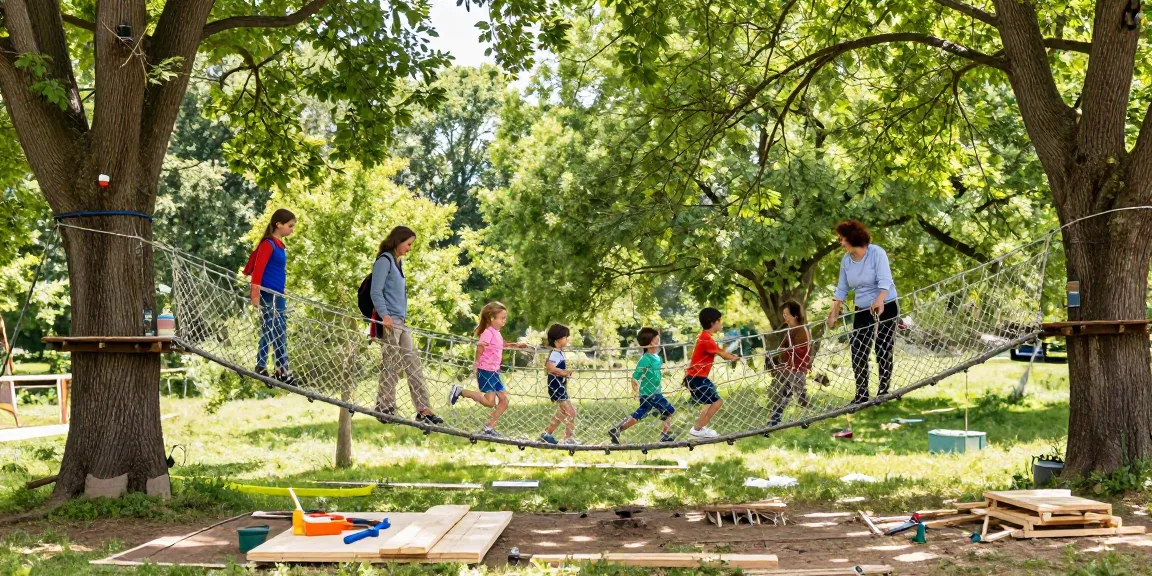
Understanding Craft Training Programs
In the current landscape, where creativity meets technical skill, craft training programs have emerged as essential avenues for personal and professional development. These programs serve an array of individuals, from hobbyists seeking to hone a craft, to professionals aiming to upscale their skills. Understanding what these programs encompass and their significance can help potential participants make informed decisions about pursuing their creative journeys.
What Are Craft Training Programs?
Craft training programs are structured educational courses designed to teach specific craft skills. These programs can be found in various formats, from short workshops to longer, in-depth courses. They typically cover a multitude of disciplines, such as woodworking, knitting, pottery, painting, and many others. The primary goal is not just to teach individuals how to create, but to equip them with the necessary skills, tools, and techniques to turn their ideas into tangible products.
Importance of Craft Training in Skills Development
The importance of craft training in skills development cannot be overstated. Firstly, these programs offer individuals the chance to explore and refine their creative abilities. They promote hands-on learning, which is instrumental in developing both fine motor skills and critical thinking. Additionally, through the process of creating, participants often experience enhanced problem-solving skills and creative thinking, which are invaluable in both personal and professional settings. Such programs also provide a structured environment for feedback and mentorship, fostering a sense of community among crafters of various levels.
Types of Craft Training Programs Available
Craft training programs come in many forms, catering to different interests and skill levels. Some common types include:
- Workshops: These are typically short, focused sessions centered around a specific craft technique or project.
- Online Courses: Flexible learning options that allow participants to learn at their own pace, often featuring video tutorials and community forums.
- Certification Programs: More formal training that culminates in a certification, recognizing proficiency in a specific craft.
- Art Retreats: Immersive experiences held over a few days where participants learn and create in a communal setting.
Choosing the Right Craft Training Program
Selecting an appropriate craft training program requires careful consideration of several factors to ensure that the program aligns with the participant's goals and expectations.
Evaluating Program Objectives and Outcomes
Understanding the objectives and expected outcomes of a craft training program is crucial. Participants should do preliminary research to ensure that the program's focus aligns with their interests. For instance, a pottery class focusing on sculptural techniques may not suit someone looking to learn functional pottery. Reading testimonials or reviews from past participants can also provide insights into the program’s effectiveness.
Key Features to Look For
When evaluating craft training programs, consider factors such as:
- Instructor Expertise: The qualifications and experience of instructors can significantly impact the learning experience.
- Class Size: Smaller classes often provide more personalized attention and feedback.
- Materials Provided: It's essential to know what materials are included in the course fee and what students may need to bring.
- Support Resources: Access to additional resources, such as online forums or one-on-one support, can enhance the learning experience.
Costs and Time Commitments
Costs can vary widely among craft training programs, depending on their length, materials, and the prestige of the instructor. It's essential to analyze what's included in the price—some programs may offer free materials, while others may require participants to purchase their own supplies. Additionally, understanding the time commitment is critical; some workshops last only a couple of hours while others may demand several weeks of dedication.
Essential Skills Developed in Craft Training Programs
Craft training programs go beyond teaching specific techniques; they play a pivotal role in nurturing a range of essential skills.
Technical Skills and Their Applications
Craft training provides valuable technical skills that are directly applicable to the specific craft. For example, those attending woodworking classes learn about tool usage, safety procedures, and construction techniques, which can be applied in various exciting projects, from furniture building to home repairs.
Creative Thinking and Problem-Solving
Engaging in craft training enhances creative thinking and problem-solving abilities. As participants design and create, they often encounter challenges that require innovative solutions. Crafting can encourage out-of-box thinking, which is advantageous not only in artistic endeavors but also in everyday life and work situations.
Soft Skills Gained Through Craft Training
Soft skills, such as teamwork, communication, and patience, are also key outcomes of participating in craft training programs. Working alongside others in a collaborative environment fosters camaraderie and effective communication. Moreover, the patience required to master a crafting technique can enhance focus and perseverance, skills that translate well into all facets of life.
Implementing Craft Training Programs in Your Community
For communities seeking to foster creativity and skill development, implementing craft training programs can substantially enrich the local culture and economy.
Identifying Community Needs and Interests
Understanding the specific needs and interests of the community is critical before implementing a craft training program. Conducting surveys or community meetings can reveal what types of crafts people are interested in learning. This approach ensures that the programs are tailored to what potential participants genuinely seek.
Collaboration with Local Artists and Experts
Partnering with local artists and experts to run the programs can greatly enhance their credibility and attract participants. These partnerships can lead to a richer learning experience as seasoned crafters can share their unique insights and techniques, fostering a deeper appreciation for the craft among participants.
Measuring the Impact of Training Programs
Evaluating the effectiveness of craft training programs is essential for their continued success. Collecting feedback through surveys following the completion of programs can provide valuable data on participants' experiences and skill acquisition. Additionally, monitoring the long-term engagement of participants in crafting can help assess the program's impact on the community.
Frequently Asked Questions
What types of crafts can be learned through these programs?
Craft training programs encompass various disciplines, including sewing, woodworking, pottery, and painting, allowing individuals to explore diverse creative outlets.
Who can benefit from participating in craft training programs?
Craft training programs are designed for individuals of all skill levels, from beginners seeking new hobbies to advanced crafters wishing to refine their skills or learn new techniques.
How can someone find local craft training programs?
Local community centers, art schools, and online platforms typically offer listings of craft training programs. Social media groups and community bulletin boards can also provide valuable information.
What is the usual duration of craft training programs?
The duration varies depending on the program type. Short workshops may last a few hours, while comprehensive courses can span several weeks or months, involving multiple sessions.
Are craft training programs available online?
Yes, many craft training programs are accessible online, offering flexibility for participants to learn at their own pace and access resources from anywhere in the world.