
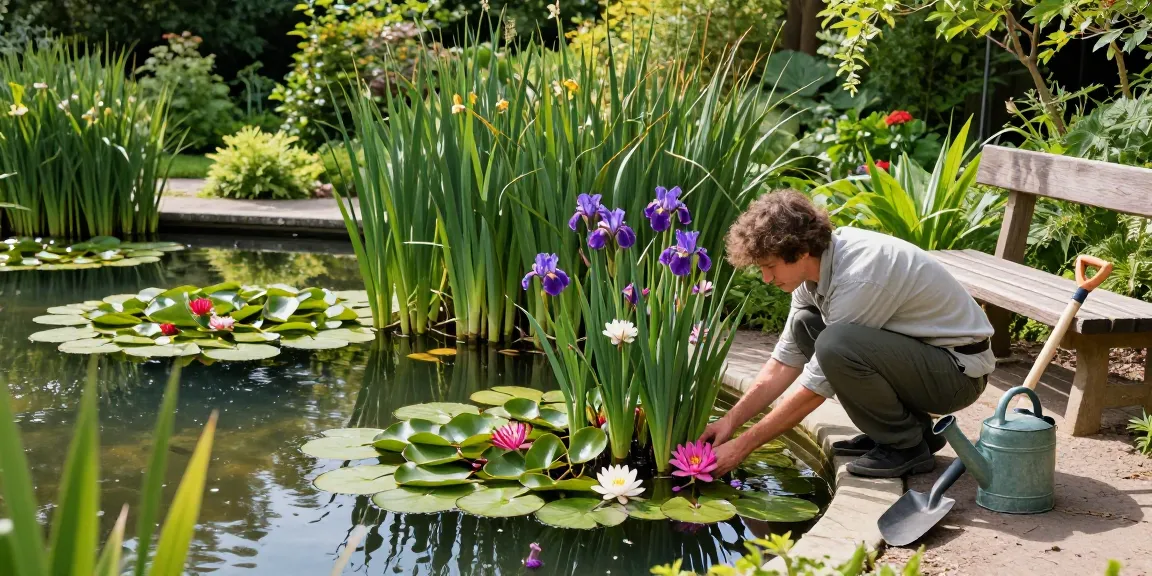
Understanding British Pond Plants
Creating a garden pond can transform your outdoor space into a tranquil haven, and choosing the right flora is essential for this. British Pond Plants are particularly well-suited for this purpose, offering not only aesthetic appeal but also ecological benefits. As we delve into the world of British pond plants, we will explore what defines them, their significance in our ecosystems, and the types of species available for both novice and seasoned pond enthusiasts.
What Defines British Pond Plants?
British pond plants encompass a variety of aquatic flora native to the United Kingdom. These plants are adapted to thrive in local conditions, including specific soil types, climate, and water chemistry. Common characteristics include their resilience to the local environment, which makes them ideal for sustainable gardening practices. They provide essential functions, such as oxygenation of water, habitat creation, and natural water filtration.
The Ecological Importance of Pond Plants
Pond plants play a critical role in maintaining the health of aquatic ecosystems. They contribute to biodiversity by providing habitats for various species, including fish, amphibians, and numerous insects. Additionally, these plants help to stabilize the pond’s ecosystem by absorbing excess nutrients and preventing the growth of harmful algae, thereby promoting a balanced environment.
Different Types of British Pond Plants
The variety of British pond plants can be broadly categorized into three main groups: marginal plants, submerged plants, and floating plants. Marginal plants, such as Juncus effusus (soft rush) and Typha latifolia (broadleaf cattail), grow at the water’s edge, providing support to the pond’s banks. Submerged plants, like Elodea canadensis (Canadian waterweed), reside beneath the water level and are crucial for oxygen production. Floating plants, such as Salvinia natans (floating watermoss), rest on the water’s surface, offering shade and shelter.
Choosing the Right Plants for Your Pond
Selecting the right plants for your pond is crucial to creating a balanced and thriving ecosystem. Factors such as the size of the pond, water depth, and sunlight exposure will influence your choices. Understanding the specific needs of different British pond plants will help ensure that your garden thrives in harmony with local wildlife.
Factors to Consider When Selecting Pond Plants
When choosing plants, consider the following factors:
- Water Depth: Different plants thrive in varying water depths. Ensure the selected plants can adapt to your pond’s specific conditions.
- Sunlight Exposure: Assess how much sunlight your pond receives throughout the day. Full sun plants will struggle in shaded areas, and vice versa.
- Pond Size: Smaller ponds may restrict plant options. Opt for compact species that won’t overcrowd the space.
- Water Chemistry: Test the pH and nutrient levels of your pond. Some plants prefer acidic or alkaline conditions, affecting their growth.
Best Practices for Planting and Maintenance
Proper planting techniques contribute significantly to the growth and health of pond plants. When planting, ensure roots are adequately submerged, and consider using aquatic plant baskets to contain the roots and soil. Regular maintenance is also crucial; this includes removing decayed plant material, controlling growth to prevent overcrowding, and monitoring water quality. Regular checks will enable you to adjust the ecosystem as needed, keeping it thriving.
Seasonal Changes and Plant Adaptability
British pond plants showcase impressive adaptability to seasonal changes. In the spring, they begin to grow and bloom, providing essential food and shelter for wildlife. During the summer, adequate care and water management will ensure that they reach their full potential. As autumn approaches, some species will start to die back, entering a dormant phase through winter. Understanding these cycles will allow you to provide the necessary care throughout the year.
Benefits of Incorporating British Pond Plants
Integrating British pond plants into your garden offers numerous advantages, enhancing both the ecological and aesthetic aspects of your outdoor space. From promoting biodiversity to improving water quality, these plants serve multiple purposes.
Enhancing Biodiversity in Your Garden
British pond plants attract a variety of wildlife, including birds, insects, and amphibians. These species play an integral role in the ecosystem, contributing to a balanced environment. By diversifying your planting scheme, you can encourage beneficial species to thrive, which in turn supports healthy pond dynamics.
Water Quality Improvement Through Plant Life
Pond plants act as natural filters for water, absorbing excess nutrients and filtering pollutants. This process helps prevent harmful algal blooms, which can occur in nutrient-rich waters. Healthy plants contribute to clearer, cleaner water and a more vibrant aquatic environment.
Creating Habitats for Wildlife
The structural variety provided by different types of pond plants creates microhabitats for various animals. Floating plants, for instance, offer shelter for small fish and insects, while submerged plants provide breeding grounds for amphibians. By cultivating a rich array of native species, you foster a thriving ecosystem that enhances the overall health of your pond.
Common Challenges with British Pond Plants
While British pond plants offer numerous benefits, they can also present challenges that need to be managed effectively. Understanding these challenges can help you maintain a healthy pond environment.
Dealing with Invasive Species
Invasive species can disrupt the balance in pond ecosystems. Plants like Elodea nuttallii (Nuttall’s waterweed) can outcompete native species for resources. Regular monitoring and responsible management practices, such as manual removal and choosing non-invasive species, can help mitigate these risks.
Preventing Algae Blooms Effectively
Algae blooms often result from nutrient overload, which can lead to poor water quality and threaten aquatic life. To prevent these blooms, maintain an appropriate balance of pond plants, which can absorb excess nutrients. Additionally, avoid over-fertilizing nearby garden areas, as runoff can contribute to nutrient spikes in the pond.
Managing Plant Growth and Spread
Plants need room to grow, but uncontrolled growth can lead to overcrowding, which may choke out other vital species. Regular pruning and harvesting of excess plant life can maintain a balanced ecosystem and ensure that all species have adequate space and resources to thrive.
Trends and Innovations for 2026 in Pond Gardening
The future of pond gardening is dynamic, incorporating new trends and technologies aimed at enhancing the sustainability and aesthetic value of garden ponds. Staying ahead of these trends can provide fresh ideas for enriching your aquatic garden.
Upcoming Varieties and Hybrid Pond Plants
In recent years, there has been a rise in the development of hybrid pond plants that combine desirable traits from multiple species. These hybrids can offer improved resilience, unique colors, or faster growth rates. Keeping an eye out for these innovative plants can enhance your pond’s visual appeal while also improving its functionality.
Water Conservation Techniques for Pond Care
As climate concerns grow, water conservation techniques are becoming increasingly important. Implementing rainwater collection systems to fill ponds or using drought-resistant plant varieties can significantly reduce water usage. Additionally, establishing a natural filtration system can minimize the need for chemical treatments that often lead to water waste.
Integrating Technology in Pond Management
Technology is beginning to play a vital role in pond management with the advent of smart sensors and automated systems. These tools can monitor water quality, levels, and even plant health, allowing for timely interventions when necessary. Utilizing technology can simplify maintenance efforts and help ensure the longevity of your pond environment.
What are the best aquatic plants for wildlife?
Some of the best aquatic plants for wildlife include Carex riparia (club rush) and Mentha aquatica (water mint), as they attract pollinators and provide food and habitat for various species.
How do I maintain my pond plants year-round?
Year-round maintenance involves regular monitoring of water levels, pruning, and ensuring that your plants are not overcrowded. Additionally, during the winter months, consider insulating pots or removing certain species to help them survive frosty conditions.
Can British pond plants thrive in small ponds?
Yes, many British pond plants are well-suited for small ponds. Choosing compact varieties, like Hydrocotyle vulgaris (marsh pennywort), can ensure that they thrive without overwhelming the space.
What are the signs of poor plant health in ponds?
Poor plant health can manifest in various ways, including yellowing leaves, stunted growth, or wilting. These signs often indicate issues related to water quality, insufficient light, or nutrient deficiencies.
How can I enhance the aesthetics of my garden pond?
Enhancing the aesthetics of your garden pond can be achieved by mixing a variety of plant heights, textures, and colors. Utilizing floating plants, submerged species, and strategically placed rocks or ornaments can create a visually appealing environment that complements your garden.


