
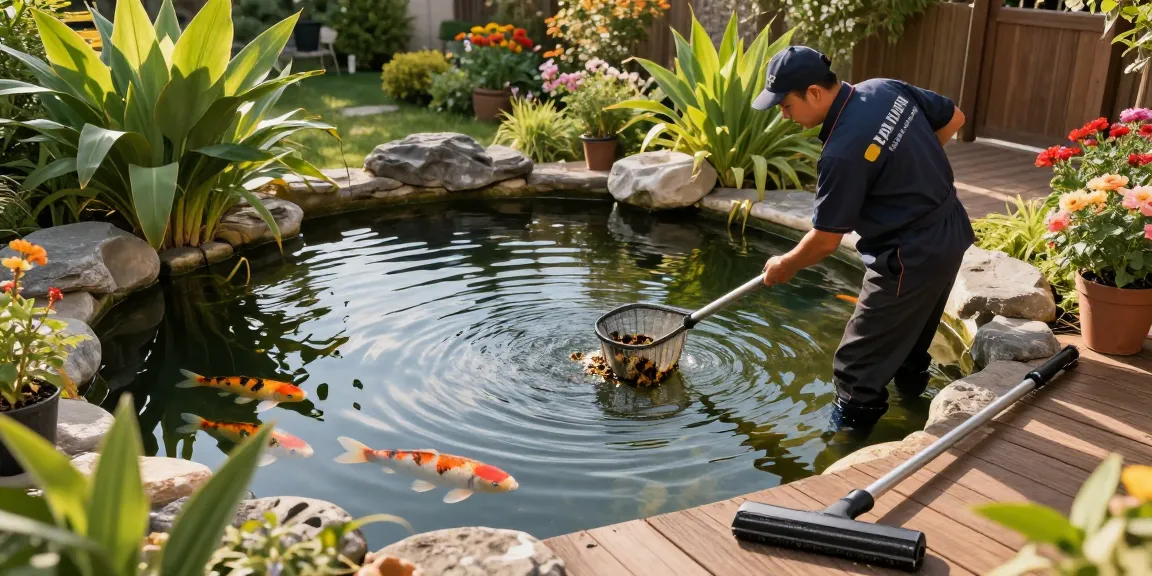
Understanding the Importance of Pond Cleaning in London
Ponds can serve as beautiful focal points in gardens, providing both aesthetic appeal and a habitat for wildlife. However, maintaining a healthy pond environment can be a challenge in urban settings like London. Regular pond cleaning is crucial to ensure that your pond remains a vibrant ecosystem. When exploring options, Pond Cleaning London offers comprehensive insights into keeping your water feature in optimal condition.
Why Regular Pond Maintenance is Essential
Regular maintenance of your pond is vital for several reasons. Firstly, it prevents overgrowth of algae and unwanted plants, which can choke out aquatic life. Secondly, periodic cleaning helps manage the levels of organic debris, such as fallen leaves and fish waste, which can lead to poor water quality.
Moreover, a well-maintained pond enhances the overall aesthetic of your garden and provides a healthy environment for fish and wildlife. Regular cleaning not only prolongs the life of your pond’s ecosystem but also prevents costly repairs in the future.
Common Challenges Homeowners Face
Homeowners often encounter specific challenges when it comes to pond maintenance. For instance, algae blooms can occur when excess nutrients build up, often a result of overfeeding fish or runoff from nearby gardens. Additionally, debris accumulation can lead to foul odors and even attract pests like mosquitoes. Understanding these challenges is the first step toward effective pond management.
Benefits of Professional Pond Cleaning Services
Hiring a professional pond cleaning service can save you time and provide a level of expertise that may be lacking in DIY approaches. Professionals are equipped with the right tools and knowledge to tackle complex issues such as murky water and invasive species. They also offer tailored solutions that can enhance the health and beauty of your pond.
Best Practices for Pond Cleaning
Tools and Equipment Needed for Effective Cleaning
To effectively clean your pond, having the right tools is essential. Key equipment includes:
- Pond skimmer to remove debris
- Netting for capturing fish during cleaning
- Submersible pumps to remove water and muck
- Pressure washers for cleaning pond liners and waterfalls
- Water testing kits for checking pH and nutrient levels
Step-by-Step Pond Cleaning Process
Cleaning your pond can be broken down into several steps:
- Preparation: Remove fish and plants to a temporary holding tank with aerated water.
- Drain the Pond: Use a submersible pump to remove a significant portion of the water.
- Remove Debris: Skim leaves, twigs, and muck from the bottom of the pond.
- Clean Surfaces: Use a pressure washer or scrub brush to clean hard surfaces.
- Refill and Treat: Refill the pond with clean water and treat it for any chemical imbalances.
How to Maintain Your Pond Between Cleanings
To keep your pond healthy between professional cleanings, consider these maintenance tips:
- Regularly skim the surface to remove debris.
- Monitor water levels and top up as necessary.
- Check filtration systems and clean as needed.
- Avoid overfeeding fish to prevent excess waste.
- Consider adding beneficial bacteria to aid in natural decomposition.
Identifying Common Pond Issues
Algae Growth: Causes and Solutions
Algae growth is one of the most common issues faced by pond owners. It often thrives in warm weather and can occur due to excess nutrients in the water. Solutions include reducing nutrient inputs by managing runoff and limiting fish feeding. In severe cases, algaecides may be used, but they should be applied cautiously to avoid harming fish and plants.
Overgrown Vegetation: Management Techniques
While aquatic plants are essential for a balanced pond ecosystem, overgrowth can be problematic. Regular inspection and controlled trimming of plant life can help maintain balance. Consider introducing species that help control unwanted vegetation naturally.
Pond Water Quality: Testing and Improvement
Regular testing of your pond water is necessary to ensure a healthy environment. Use water testing kits to monitor pH, ammonia, nitrite, and nitrate levels. If issues are identified, solutions may include adding beneficial bacteria, adjusting pH levels, or changing the water. Keeping a consistent schedule for testing can prevent problems before they escalate.
Choosing the Right Pond Cleaning Service in London
What to Look for in a Pond Cleaning Company
When selecting a pond cleaning service, it’s essential to consider several factors. Look for a company with a solid reputation, proper certifications, and experience in handling local pond types and conditions. A good service will offer customizable cleaning packages tailored to your pond’s unique needs.
Evaluating Customer Reviews and Testimonials
Before making a decision, check online reviews and testimonials. Websites, social media platforms, and local community boards are great resources for gauging the quality of a company’s services. Genuine feedback from past clients can provide insights into the reliability and effectiveness of the service.
Comparing Pricing and Service Packages
Pricing can vary widely among pond cleaning services. When comparing packages, consider not just cost but the scope of services offered. Some companies may provide comprehensive maintenance plans that include regular cleanings, while others may focus solely on one-time cleanings. Evaluate which package offers the best value for your specific needs.
Future Trends in Pond Maintenance for 2026
Innovations in Pond Cleaning Technology
The pond maintenance industry is evolving, with new technologies emerging to facilitate effective cleaning. Automated cleaning systems and bio-filtration technologies are being developed to improve water quality with minimal manual labor. Keeping abreast of these innovations can help pond owners take advantage of the best available solutions.
Sustainable Practices and Eco-Friendly Solutions
As environmental awareness grows, pond cleaning services are increasingly adopting sustainable practices. This includes using non-toxic cleaning agents, implementing water-saving techniques, and promoting biodiversity within pond ecosystems. Emphasizing ecological responsibility will not only enhance pond health but can also appeal to environmentally conscious customers.
Emerging Trends in Aquatic Life Management
In addition to cleaning, the management of aquatic life will continue to evolve. Trends such as integrating native plants, creating fish habitats, and adopting balanced fish stocking strategies will be important for maintaining healthy pond ecosystems. Understanding these trends will help pond owners create a sustainable environment for both flora and fauna.
What are the signs that my pond needs cleaning?
Signs that your pond may need cleaning include murky water, excessive algae growth, a buildup of debris along the edges, and poor water quality as indicated by testing. Any drastic changes in water levels or wildlife behavior can also indicate a need for maintenance.
How often should I schedule pond cleaning services?
The frequency of cleaning depends on several factors, including the size of your pond, the number of fish, and surrounding vegetation. Generally, it’s advisable to have a thorough cleaning at least once a year, with regular maintenance checks every few months.
Can I clean my pond myself, or should I hire a professional?
While DIY cleaning is possible, especially for smaller ponds, hiring a professional is advisable for larger or more complex systems. Professionals have the necessary tools and expertise to ensure a thorough cleaning without harming the pond’s ecosystem.
What are the costs associated with pond cleaning in London?
Costs for pond cleaning in London can vary based on several factors, including the size of the pond, the extent of cleaning needed, and service provider pricing. On average, homeowners can expect to pay anywhere from £100 to £500 for professional services, depending on these variables.
What methods are effective for algae control?
Effective methods for controlling algae include maintaining proper water circulation, limiting nutrient input, and introducing natural predators like certain fish species that feed on algae. Additionally, using beneficial bacteria can help keep algae growth in check.