
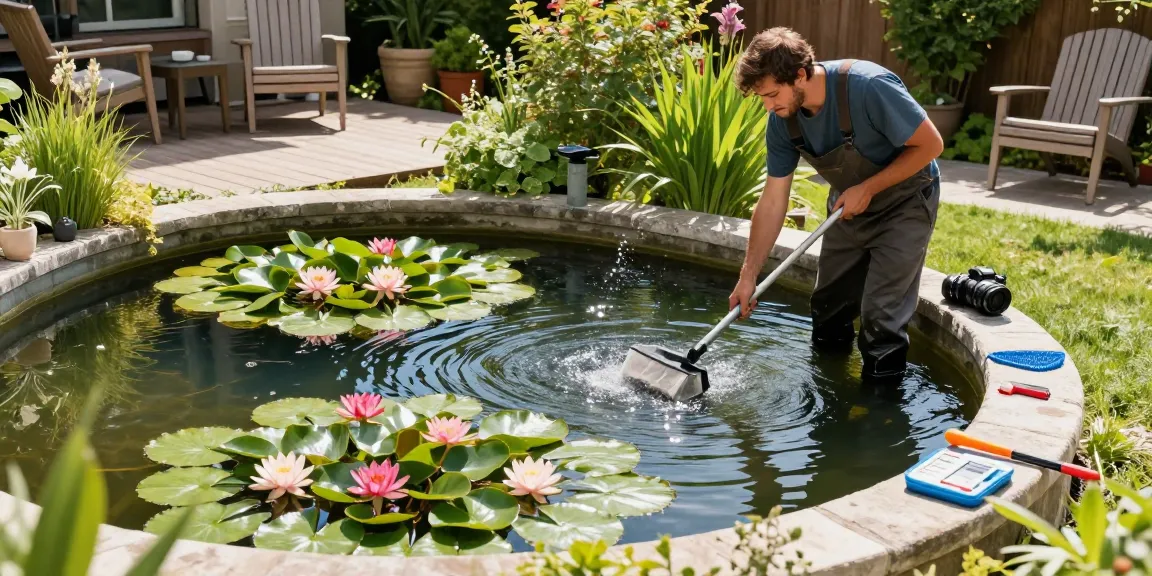
Understanding Pond Cleaning London: Common Missteps
Pond cleaning is an essential aspect of pond maintenance that ensures the health and aesthetics of your water feature. Unfortunately, many pond owners make common mistakes that can not only lead to suboptimal results but also waste valuable time and resources. Understanding these missteps can help you maintain a crystal-clear pond environment. For those seeking expert insights into Pond Cleaning London, this article will provide valuable information on best practices and common pitfalls.
What is Pond Cleaning?
Pond cleaning involves the thorough maintenance and upkeep of a pond, focusing on removing debris, sludge, and organic matter that can accumulate over time. It typically includes tasks such as removing fallen leaves, cleaning filters, checking pump functionality, and maintaining water quality. A clean pond not only looks better but also promotes the health of aquatic life and plants, preventing issues like algae blooms and foul odors.
Top Mistakes in Pond Maintenance
- Neglecting Regular Maintenance: Many pond owners overlook the importance of regular maintenance, leading to an overwhelming buildup of waste.
- Over-Using Chemicals: Excessive use of algae treatments and chemicals can harm aquatic life and disrupt the pond’s ecosystem.
- Improper Water Changes: Changing too much water at once can shock the ecosystem, altering water temperature and chemistry.
- Ignoring Filtration Systems: Failing to clean or replace filters regularly can lead to poor water quality.
Signs Your Pond Needs Professional Help
Recognizing the signs that your pond requires professional care is vital. Indicators can include persistent algae problems, murky water, unpleasant odors, or die-off of fish and plant life. If you notice any of these issues, it may be time to consult with experts in pond maintenance to restore balance and health to your aquatic environment.
Essential Tools for Effective Pond Cleaning
Must-Have Equipment for Pond Care
Investing in the right tools can make a significant difference in the effectiveness of your pond cleaning efforts. Essential tools include pond vacuums, skimmers, nets, and water testing kits. These instruments not only enhance efficiency but also help ensure that your pond remains a thriving habitat.
How to Choose the Right Pond Vacuum
Selecting the appropriate pond vacuum depends on various factors, including the size of your pond and the type of debris you typically encounter. Consider models that offer adjustable suction settings and have the capacity to handle both fine and coarse materials, ensuring that you can maintain a pristine pond effortlessly.
Water Quality Testing: Key Instruments
To maintain a healthy pond environment, regular water quality testing is crucial. Essential instruments for this process include pH meters, ammonia test kits, and dissolved oxygen meters. These tools help monitor vital parameters and ensure that your pond’s ecosystem remains balanced and healthy for aquatic inhabitants.
Best Practices in Pond Cleaning London
Step-by-Step Guide to Cleaning Your Pond
Cleaning your pond involves a systematic approach to ensure effectiveness. Begin by removing debris from the water surface and edges, followed by vacuuming the bottom to eliminate sludge. Next, clean the filtration system and inspect equipment for any required maintenance. Finish by performing a partial water change and adding water treatments as needed to restore balance.
Seasonal Maintenance Tips for Pond Health
Maintaining a pond is a year-round commitment, and seasonal tasks can significantly impact overall health. In spring, focus on removing winter debris and inspecting aquatic plants. Summer is crucial for monitoring algae growth and ensuring water levels. Autumn requires leaf removal and preparing the pond for winter, while winter should focus on de-icing and maintaining aeration to support fish.
How to Manage Algae Growth Effectively
Managing algae growth is a common challenge for pond owners. Implementing regular maintenance routines, ensuring proper water circulation, and using beneficial bacteria can help mitigate algae. Additionally, introducing aquatic plants that consume nutrients can prevent algae blooms and promote a balanced ecosystem.
Cautions for DIY Pond Cleaning
Environmental Impact of Improper Cleaning
While many pond owners opt for DIY cleaning, it’s essential to be aware of the potential environmental impacts. Improper practices, such as using harsh chemicals or removing too much water at once, can disrupt the aquatic ecosystem and harm local wildlife.
Risks of Using Incorrect Chemicals
The use of incorrect chemicals can be detrimental to your pond’s health. Many store-bought chemicals are designed for specific issues and may cause more harm than good if misused. Always consult with professionals or conduct thorough research before introducing any treatments to your pond.
Common Health Hazards for Pond Owners
Pond cleaning can pose health risks, including exposure to waterborne diseases or injuries from handling heavy equipment. Always prioritize safety by wearing protective gear, using tools correctly, and regularly washing your hands after handling pond materials.
Future Trends in Pond Care for 2026 and Beyond
Innovative Technologies in Pond Maintenance
The future of pond care is on the brink of transformation with the advent of new technologies. Automated pond cleaning systems, advanced filtration methods, and AI-driven water quality monitoring are just a few innovations that will enhance pond maintenance and efficiency.
Eco-Friendly Products Revolutionizing Pond Care
As concern for the environment grows, eco-friendly pond care products are becoming increasingly popular. Organic treatments and natural solutions are now available, allowing pond owners to maintain health without jeopardizing the environment.
Expert Predictions for Pond Cleaning Techniques
Experts predict that future pond cleaning techniques will focus heavily on sustainability and efficiency. This will include more biodegradable cleaning agents, enhanced waste recycling methods, and a greater emphasis on maintaining the natural balance within pond ecosystems.
What are the benefits of professional pond cleaning services?
Professional pond cleaning services offer numerous benefits, including expert knowledge, specialized tools, and a tailored maintenance plan that caters to your pond’s specific needs. Hiring a professional ensures comprehensive care, promotes longevity, and enhances the beauty of your pond.
How often should I clean my pond?
The frequency of pond cleaning can vary based on the size of your pond and the surrounding environment. In general, a thorough cleaning at least twice a year—once in spring and once in autumn—is recommended. However, regular skimming and monitoring of water quality is encouraged year-round.
What can I do to maintain clear water between cleanings?
To maintain clear water between cleanings, implement regular water testing, use beneficial bacteria, and manage nutrient levels effectively. Additionally, consider installing a UV clarifier to help reduce algae growth and improve water clarity.
Are there specific seasons for pond cleaning?
Yes, specific seasons play a crucial role in pond maintenance. Spring cleaning helps prepare the pond for a healthy growing season, while autumn cleaning ensures that debris doesn’t accumulate over winter. Seasonal cleanings align with the natural cycles of fish and plant life.
What wildlife can I expect in my pond?
Your pond will likely attract various wildlife, including amphibians like frogs and toads, birds, and insects. Each species plays a vital role in the ecosystem, and understanding this biodiversity can enhance your enjoyment of the pond environment.


