Understanding British Pond Plants
British pond plants are a vital component of the natural ecosystems found throughout the UK, enhancing the beauty and biodiversity of gardens and wild spaces alike. These plants not only enrich the visual appeal of a pond but also significantly contribute to the ecological balance by providing habitats and food for various wildlife species. In recent years, there has been a growing interest among garden enthusiasts in cultivating British Pond Plants, which offers a practical and aesthetic solution for maintaining healthy water bodies in both residential and public landscapes.
What Are British Pond Plants?
British pond plants refer to the native aquatic flora that thrive in the UK’s freshwater environments. These species are adapted to local conditions, such as the climate, soil type, and water chemistry, making them particularly resilient and suited for cultivation in domestic ponds. Examples include water lilies, reeds, and various species of sedges and rushes. These plants play a critical role in pond ecosystems, as they not only enhance the aesthetic value of the water feature but also provide essential services like water filtration and oxygenation.
Common Types of British Pond Plants
There is a diverse range of British pond plants, each offering unique benefits and characteristics:
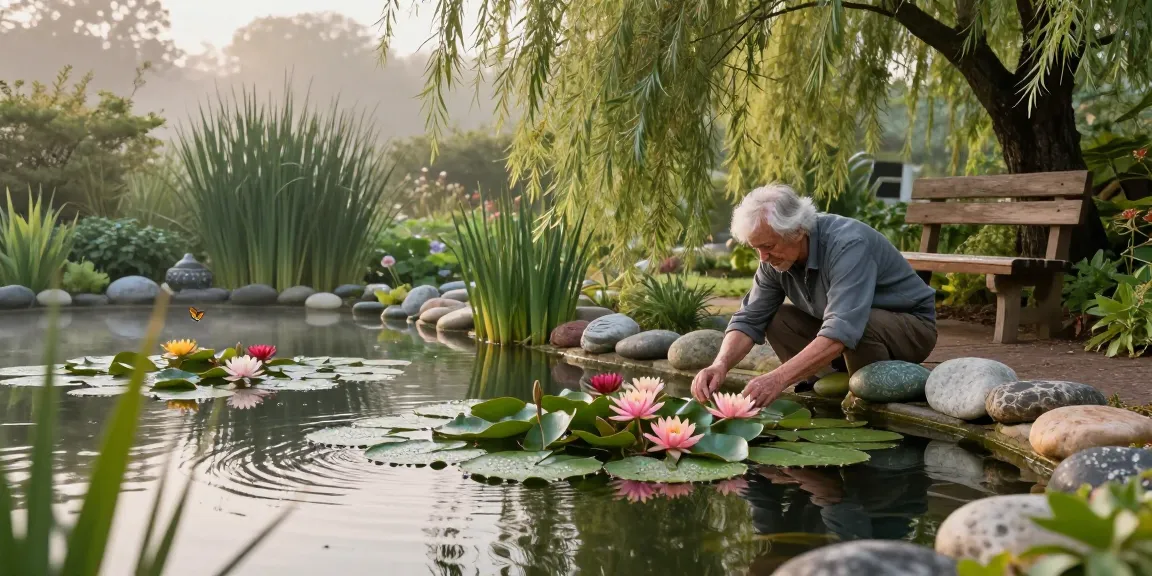
- Water Lilies (Nymphaea): Known for their stunning blooms and floating leaves, water lilies provide shade and shelter for aquatic life.
- Reeds (Phragmites australis): These tall grasses help stabilize pond banks and provide habitats for birds and insects.
- Marsh Marigold (Caltha palustris): A beautiful yellow-flowered plant that thrives in wet conditions, it attracts pollinators like bees.
- Hornwort (Ceratophyllum demersum): An oxygenating plant that helps improve water quality by absorbing excess nutrients.
- Pickerel Rush (Pontederia cordata): This native plant is known for its attractive spikes of purple flowers and serves as a great habitat for fish.
Importance of Native Aquatic Flora
The conservation of native aquatic plants is crucial for several reasons:
- Biodiversity Enhancement: Native species support local wildlife, including fish, amphibians, and beneficial insects.
- Water Quality Improvement: They contribute to better water clarity and quality by filtering pollutants and excess nutrients.
- Ecosystem Stability: Native plants help maintain the ecological balance by providing food and shelter to various organisms.
- Cultural Significance: Many native plants hold historical and cultural importance, often being part of local folklore and traditional practices.
Choosing the Right Plants for Your Pond
When selecting the right plants for your pond, it’s essential to understand the environmental conditions and the intended use of your pond. Factors such as water depth, sunlight exposure, and existing wildlife can significantly affect plant selection.
Assessing Water Conditions for Plant Survival
Before introducing any plants into your pond, assessing the water conditions is critical. This evaluation includes:
- pH Levels: Most aquatic plants prefer a pH between 6 and 8. Testing kits are available to measure this accurately.
- Nutrient Levels: High nutrient levels can lead to algal blooms, so consider plants that can help manage nutrient loads.
- Water Temperature: Some species thrive in warmer waters, while others are better suited for cooler environments.
Matching Plants to Pond Size and Depth
The size and depth of your pond will determine what types of plants can thrive. For example:
- Shallow areas (less than 30 cm) are ideal for marginals like rushes and water lilies.
- Deeper sections (over 60 cm) can accommodate submerged plants like hornwort.
- Consider the spread of each plant—some, like water lilies, can take up significant space and may need regular maintenance to prevent overcrowding.
Companion Planting with British Pond Plants
Companion planting involves selecting plants that benefit each other when grown together. This technique can enhance biodiversity and promote healthier growth:
- Water lilies can be paired with oxygenators like hornwort to improve water quality.
- Marginal plants, such as marsh marigold, can attract beneficial insects, which will also aid the overall ecosystem.
- Including floating plants like duckweed can provide shade and reduce algae formation.
Planting and Maintenance Techniques
Proper planting and maintenance techniques are crucial to ensuring the longevity and health of your pond plants. Here’s how to get started.
Step-by-Step Planting Guide for Water Lilies
- Choose the Right Container: Use a wide, shallow container with good drainage.
- Prepare the Soil: Use aquatic compost mixed with gravel to anchor the plant.
- Planting: Place the lily tuber horizontally in the soil; ensure the growing point is facing upwards.
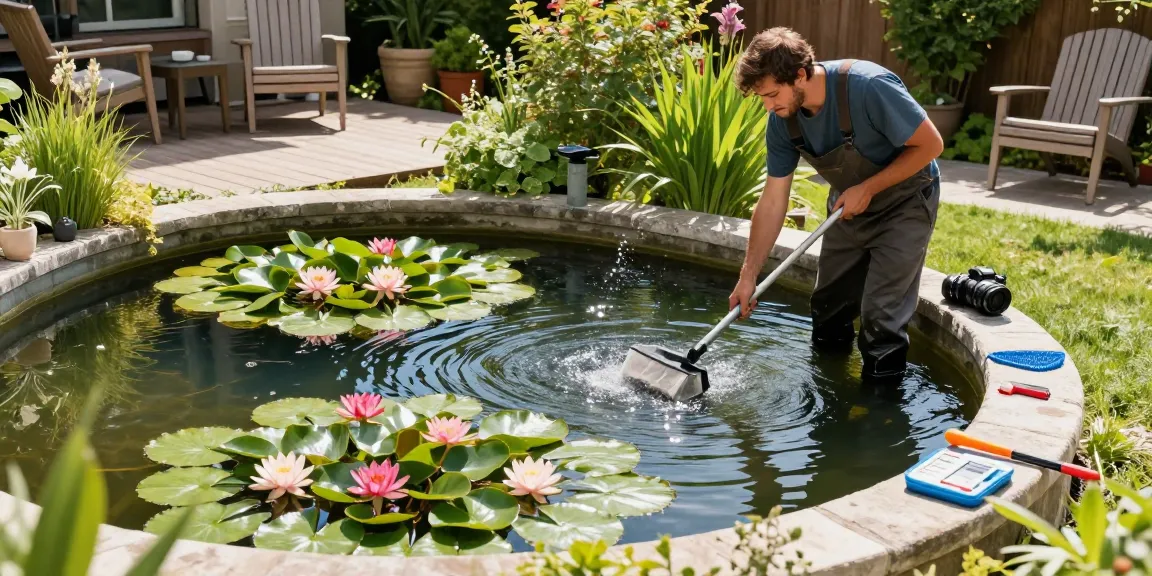
- Submerge: Lower the container into the pond at the appropriate depth, usually 30-45 cm below the water’s surface.
- Monitor Growth: Regularly check for signs of health and adjust their depth if necessary.
Seasonal Care for British Pond Plants
Maintaining your pond plants involves seasonal tasks, including:
- Spring: Remove any dead plant matter and check for new growth.
- Summer: Monitor water levels and ensure adequate coverage from aquatic plants.
- Autumn: Trim back foliage and prepare for winter by removing decaying material.
- Winter: Most plants will enter dormancy; be cautious not to disturb the root systems during frost.
Avoiding Common Mistakes in Pond Plant Care
Avoiding simple mistakes can make a significant difference in the health of your pond plants:
- Overcrowding: Avoid planting too many species in one area to prevent competition for resources.
- Ignoring Water Quality: Regularly test your water to ensure it remains suitable for plant growth.
- Neglecting Pruning: Regularly trim dead or unhealthy foliage to promote new growth and reduce disease risk.
Enhancing Biodiversity with British Pond Plants
British pond plants play an essential role in creating diverse habitats that support various forms of life.
Creating Habitats for Local Wildlife
The right selection of pond plants can provide essential habitats for a variety of wildlife:
- Fish: Aquatic plants offer cover for fry and shelter for adult fish.
- Amphibians: Plants like reeds and sedges provide breeding sites for frogs and newts.
- Birds: Native flora can attract birds by providing nesting sites and food sources.
Integrating British Pond Plants into Ecosystem Management
Incorporating native plants into broader ecosystem management strategies is beneficial. Here’s how:
- Buffer Zones: Establishing plant buffers around ponds helps filter pollutants and runoff.
- Natural Pest Control: Native plants attract beneficial insects that help control pests naturally.
- Soil Stabilization: Roots from aquatic plants stabilize soil and prevent erosion along pond banks.
How Pond Plants Support Local Pollinators
Pond plants are not just for aquatic life; they also play a vital role in supporting pollinators:
- Food Sources: Many flowering plants provide nectar and pollen for bees and butterflies.
- Nesting Sites: Certain plants can offer shelter for pollinators and beneficial insects.
- Enhancing Biodiversity: The presence of a variety of plants leads to a richer ecosystem, supporting more life forms.
Future Trends in Pond Gardening
As we move toward 2026, trends in pond gardening are evolving, focusing on sustainability and biodiversity.
Emerging British Pond Plant Varieties for 2026
New cultivar varieties are constantly being developed. Some exciting prospects include:
- Hybrid Water Lilies: These offer blooms in unique colors and improved resilience to pests.
- New Sedge Varieties: Enhanced varieties of carex that thrive in wetter conditions and offer better aesthetics.
- Pollinator-Friendly Plants: Species that are particularly beneficial for attracting and supporting local pollinators.
Eco-Friendly Gardening Practices with British Flora
Adopting eco-friendly practices within pond gardening can lead to sustainable ecosystems:
- Natural Fertilizers: Use organic compost instead of chemical fertilizers to support plant growth.
- Rainwater Harvesting: Collecting rainwater for pond use reduces tap water reliance and promotes sustainability.
- Native Plant Focus: Prioritizing native species ensures that the local ecosystem thrives without invasive competition.
Innovative Approaches to Pond Design and Planting
Innovative trends in pond design that promote biodiversity include:
- Floating Islands: These help filter water while providing additional habitat for wildlife.
- Natural Filtration Systems: Combining plants with engineered solutions for maintaining water quality.
- Layered Planting: Mixing deep-water, marginal, and surface plants to create a multi-dimensional habitat.
What are the best British pond plants for small gardens?
For small gardens, consider compact varieties of pond plants such as dwarf water lilies and small sedges that won’t overwhelm your limited space.
How do I maintain my pond plants throughout the seasons?
Regular inspections and adjustments to the water levels, as well as seasonal pruning, are essential to maintaining healthy pond plants.
Can British pond plants help attract wildlife to my garden?
Yes, native pond plants can significantly attract a variety of wildlife, including fish, frogs, and beneficial insects, while also providing a sanctuary for birds.
What are the common diseases affecting pond plants?
Common diseases may include fungal infections and algae blooms, which can often be mitigated through proper maintenance and healthy water conditions.
How can I improve water quality for my pond plants?
Improving water quality can be achieved through regular water testing, maintaining a balanced ecosystem with the right plant selection, and employing natural filtration techniques.